Deciding which type of scissor lift to use isn’t easy. You need to think about height and lift the weight. Choose poorly and your scissor lift might not satisfy your needs.
Lorem ipsum dolor sit amet, consectetur adipiscing elit. Ut elit tellus, luctus nec ullamcorper mattis, pulvinar dapibus leo.
Item #2
Item #3
The Occupational Safety and Health Administration (OSHA) requires that you be trained and authorized to operate an aerial lift. Training and certification will cover safety risks, controls, weight and height limits, and inspections. Training and recertification may be necessary for some lifts. Additionally, one lift’s training doesn’t necessarily carry over to another type of lift.
No. We currently do not offer trailer-mounted or towable boom lift models for rent.
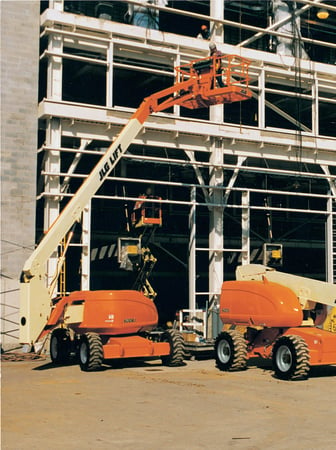
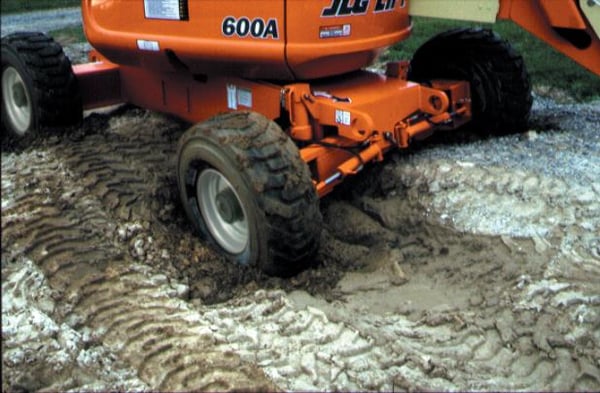
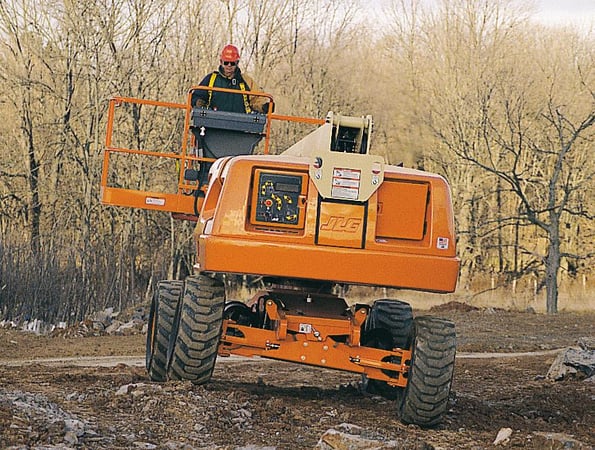
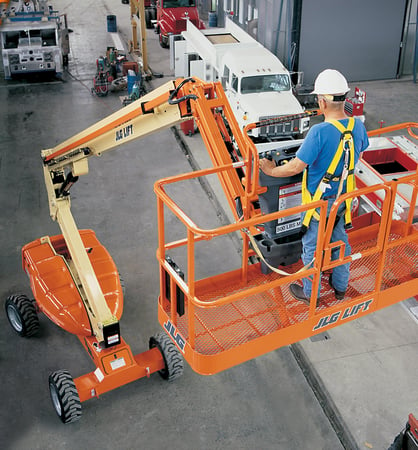
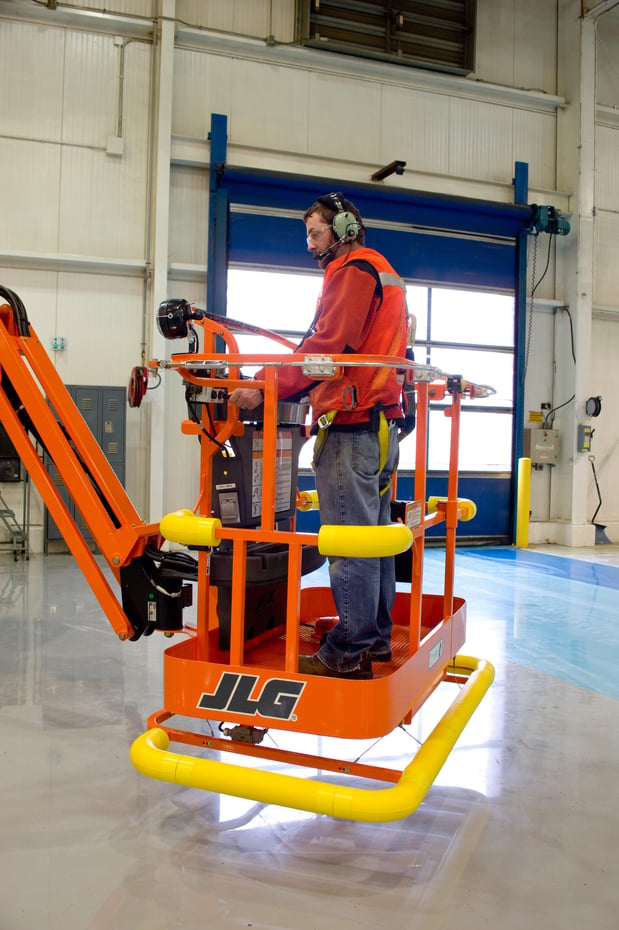
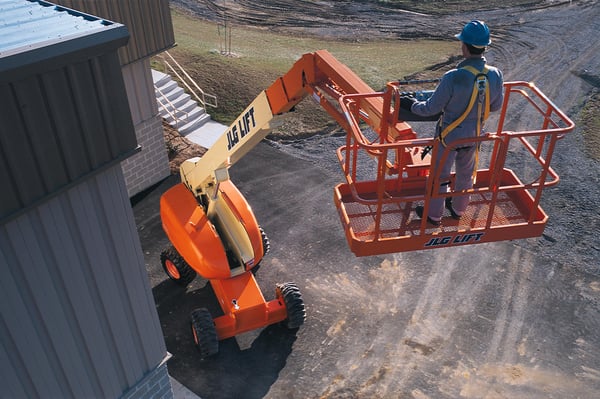
Boom lifts are usually suited to one worker, and they work best on level ground. Boom lifts are also distinct because of the booms themselves. Unlike scissor lifts or forklifts, boom lifts are designed to lift a worker to a specific position for work, rather than lifting objects or multiple workers.
Additionally, boom lifts aren’t designed for moving heavy loads. Those kinds of jobs are best suited for industrial forklifts.
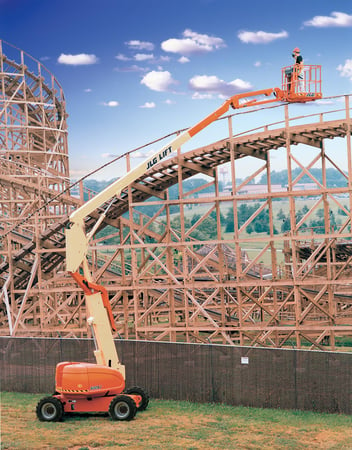
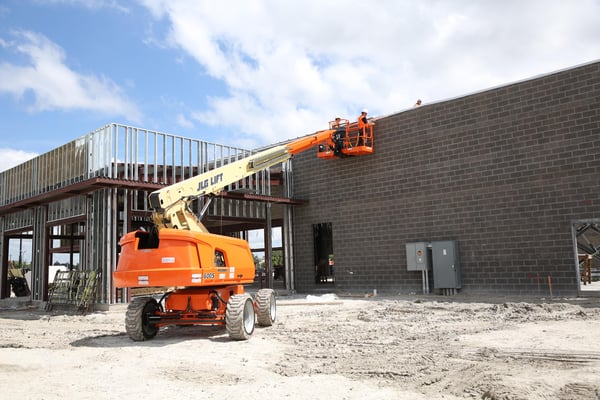
Unlike other lifts, boom lifts can span wide areas without moving the base of the machine. Scissor lifts may lift more workers at once. But the reach of a boom lift, especially an articulated boom, allows a worker to cover more area.
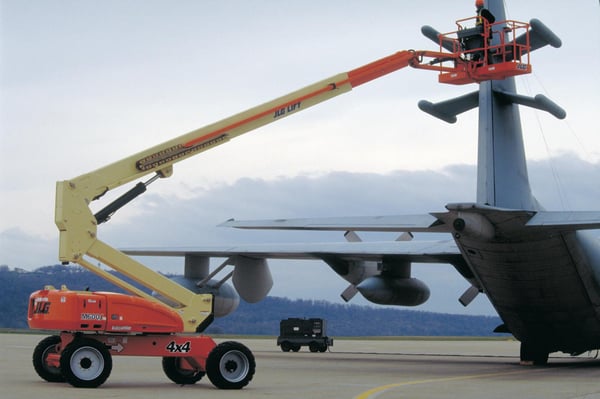
Maximum boom lift heights are determined by their model. Telescopic boom lifts generally reach up to 180 feet tall. The smallest telescopic booms are about 40 feet tall. Articulating lifts are generally smaller than telescopic boom lifts. Starting at a minimum of 30 feet, these lifts can reach up to 100 feet on larger models.
It is crucial to understand that height doesn’t equate to reach.
High-powered boom lifts can reach heights of 150 feet. The tallest boom lift, the Snorkel 2100SJ, has a platform height of 210 feet. BigRentz offers a variety of boom lifts that extend from 30 feet all the way up to 150 feet—almost 14 stories high.
The cost to rent a boom lift varies based on a number of factors, including height, type of boom lift, and fuel type. For example, a 34-foot diesel, dual-fuel articulating boom lift costs $260/day, $562/week, and $1,456/month to rent.
Boom lift prices will vary depending on power type as well. Compared to the above diesel boom, an electric boom of the same size will cost $242/day. Likewise, booms with larger lifts will cost more. A 60-foot diesel, duel-fuel telescopic boom lift costs $355/day or $2,245/month to rent.
The type of lift will also influence the price. Boom lifts are usually available in two specific lift types: articulated and telescopic. Compared to the 60-foot telescopic boom lift above, a similar-sized articulating boom lift will cost $339/day.
The greater the reach you want, the more you pay for an articulating boom lift rental. Daily rental prices can run anywhere from $212 for a 30-foot narrow electric model to $1,196 for a 125-foot diesel dual-fuel lift. Weekly costs range from $520 to $2,600, and monthly rentals can run from $1,331 to $7,280.
A mid-sized diesel, dual-fuel articulating boom lift with a 60-foot reach runs $339 a day, $780 a week, or $1,894 a month. For an even higher reach, you can request quotes for 135-foot and 150-foot models.
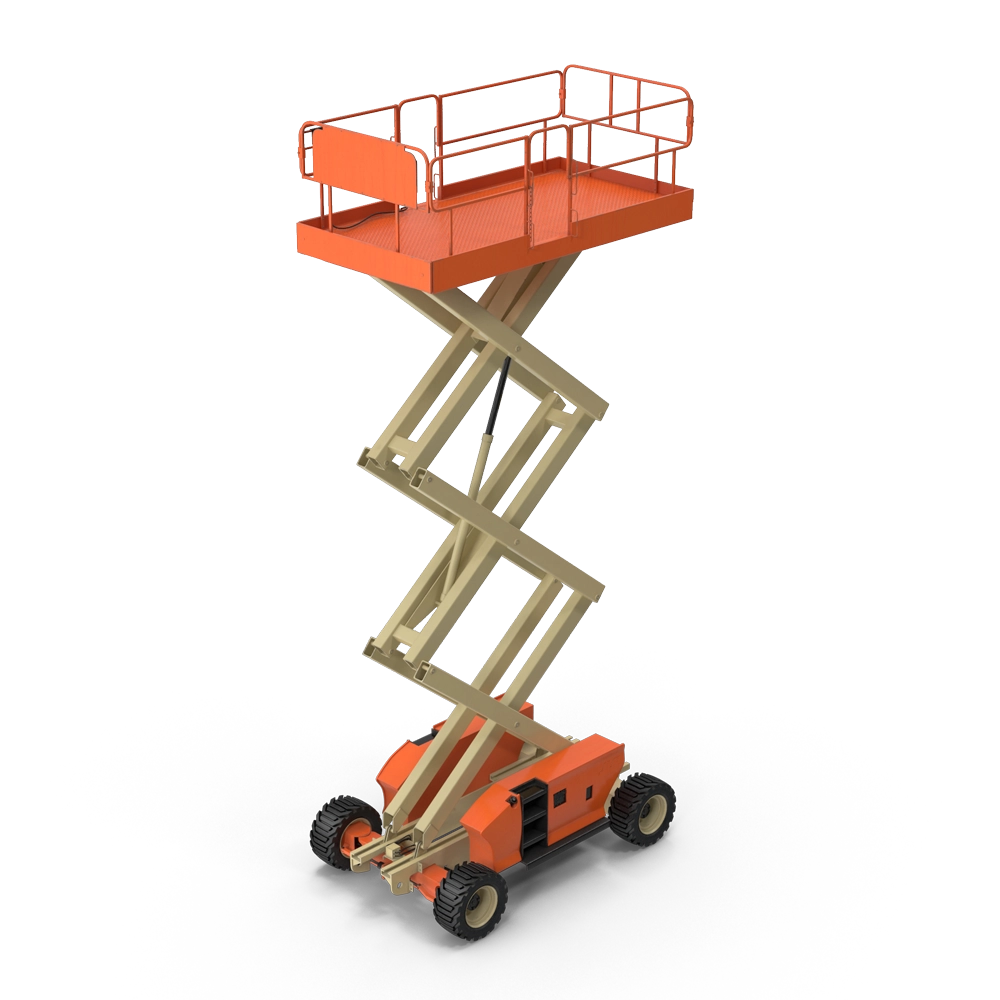
The main advantage of a scissor lift is its larger platform. Unlike a boom lift, whose bucket typically accommodates just one person, a scissor lift can carry multiple people as well as loads that need to be elevated. Boom lifts are also more expensive, while scissor lifts are affordably priced rentals.
A boom lift, also called a bucket lift or cherry picker, is a piece of equipment that can raise someone in a small bucket or compact platform. It can elevate them more than three times as high as a scissor lift. If you need to go beyond the 40- or 50-foot maximum height of most scissor lifts, you will probably need a boom lift.
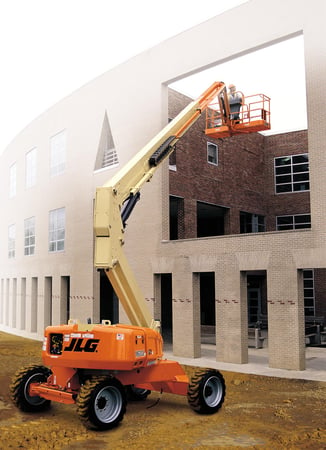
A boom lift is also a better choice if you need to move in different directions. The base of a telescopic boom lift can rotate, giving you more directional flexibility. An articulating boom lift offers help in reaching hard-to-access locations, thanks to arms that are jointed like a knee or elbow in one or more places. This allows you to move not just up, but up and over.
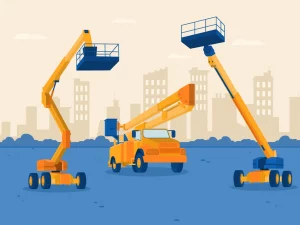
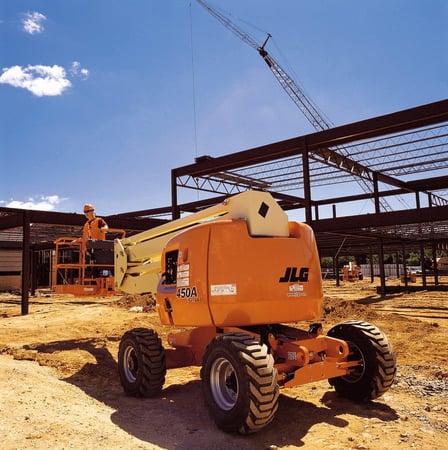
When it comes to boom lifts, there are two major kinds: articulated and telescopic. Both have similar lift heights, and both have similar lifting capacities. However, each model excels in different areas.
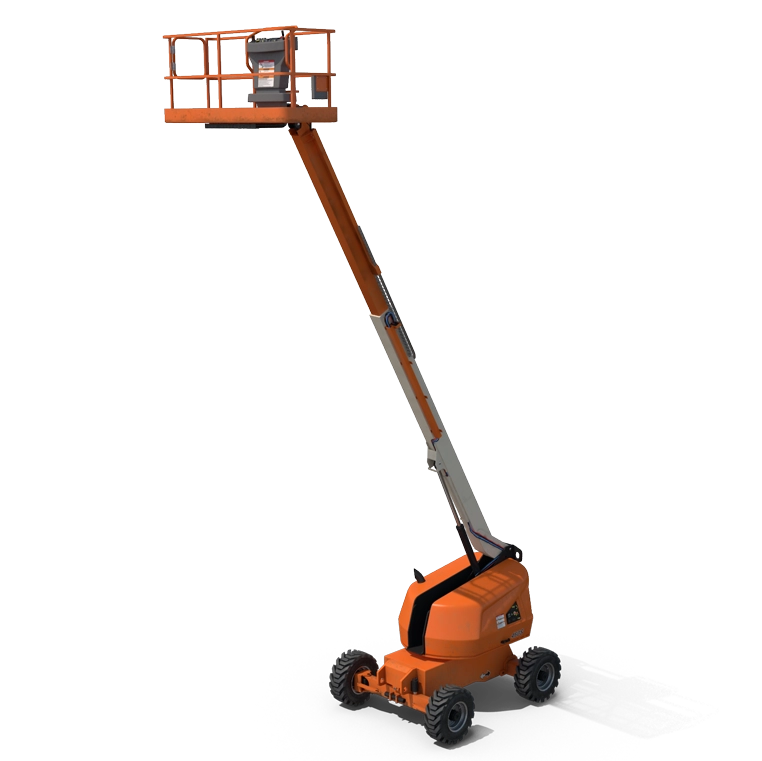
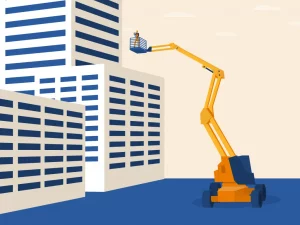
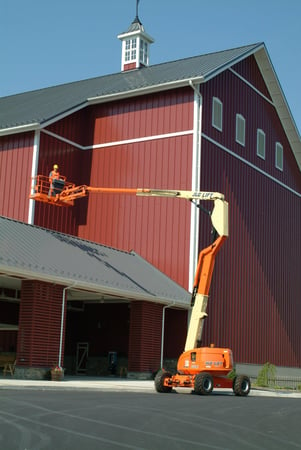
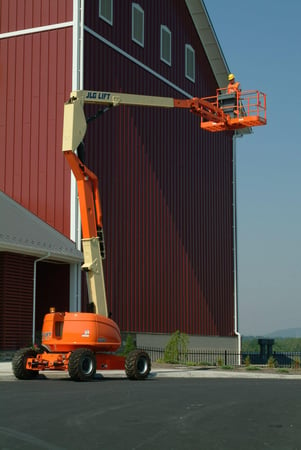
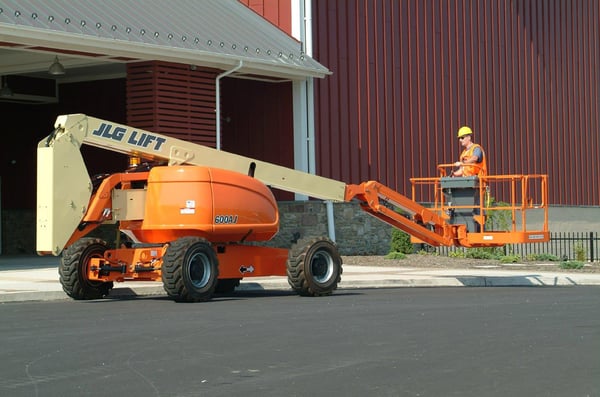
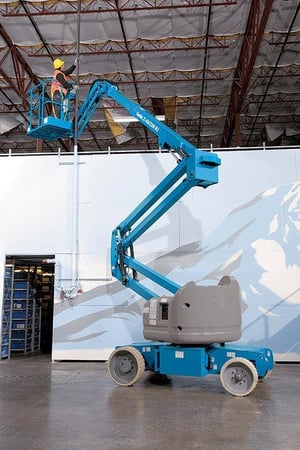
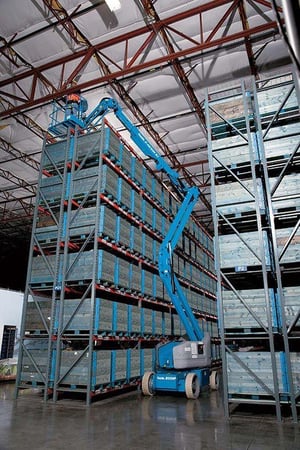
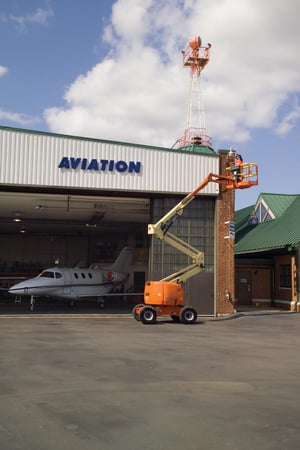
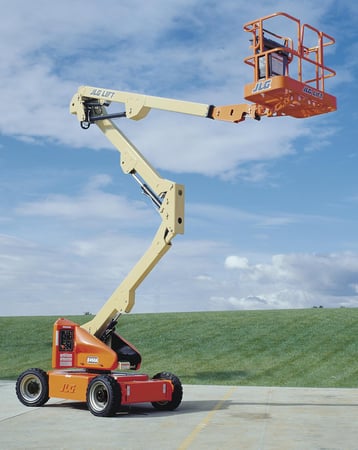
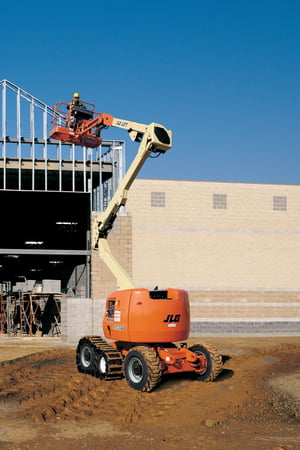
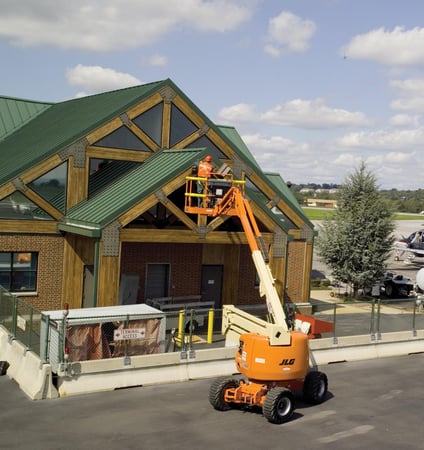
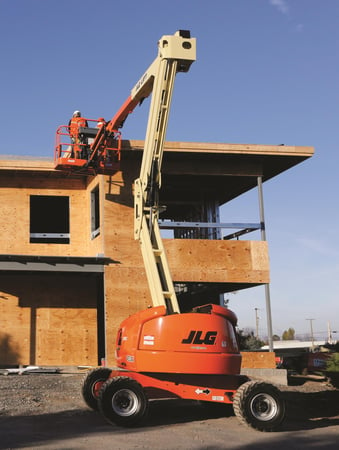
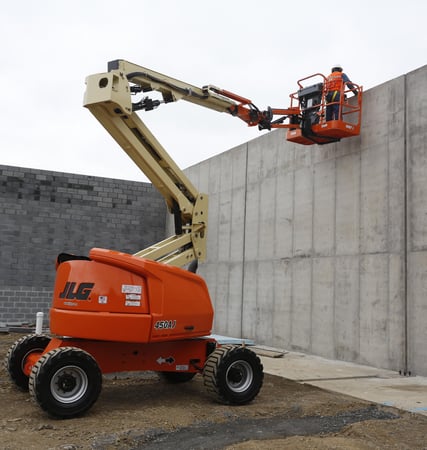
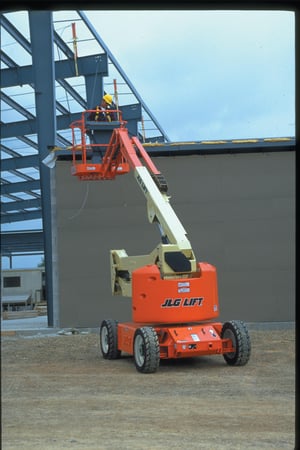
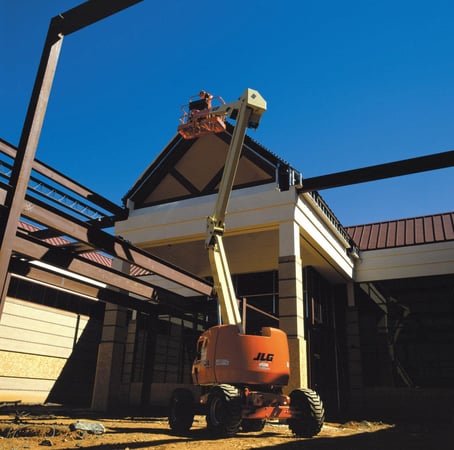
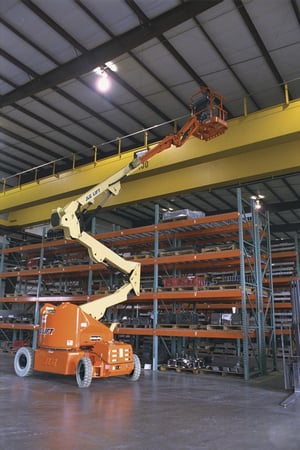
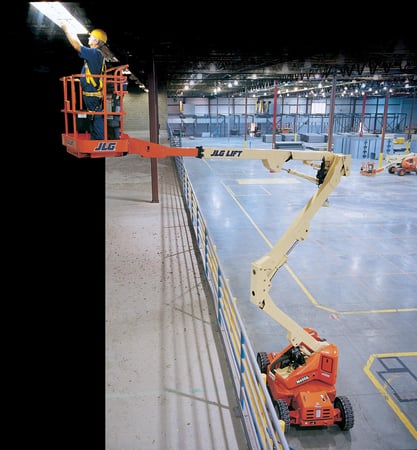
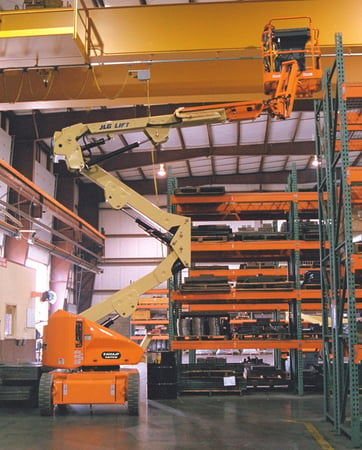
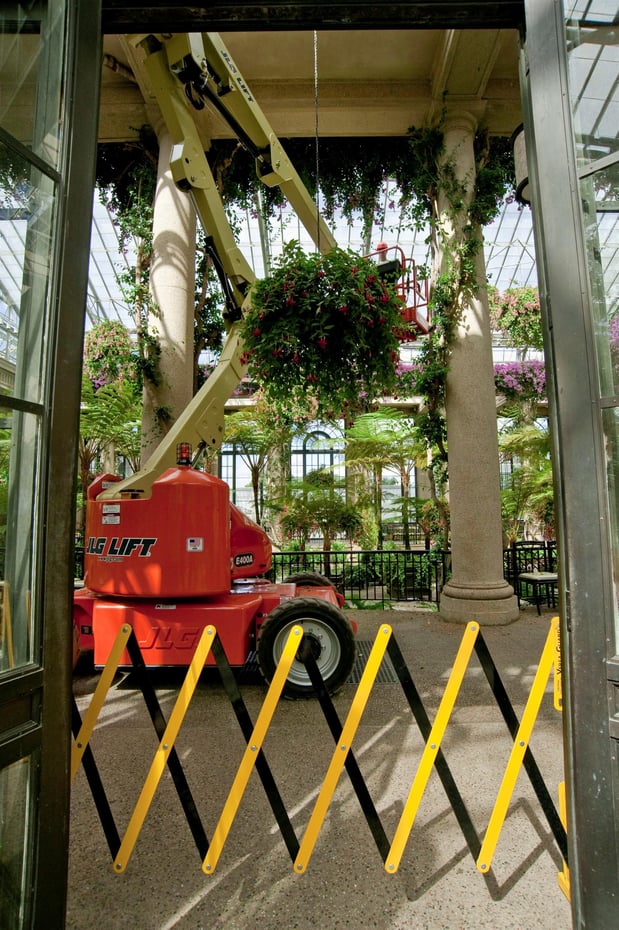
Articulating boom lifts feature an arm with multiple joints. This “knuckle lift” allows the lift to move around obstacles and confined spaces to reach hard-to-navigate areas. This functionality makes articulated lifts great for exterior cleaning, pipe repair, and electrical work.
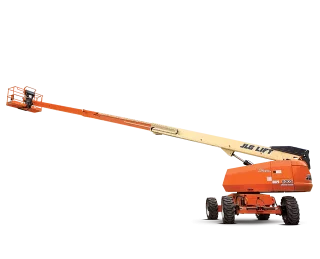
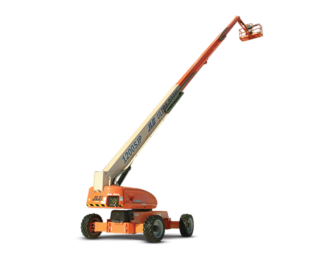
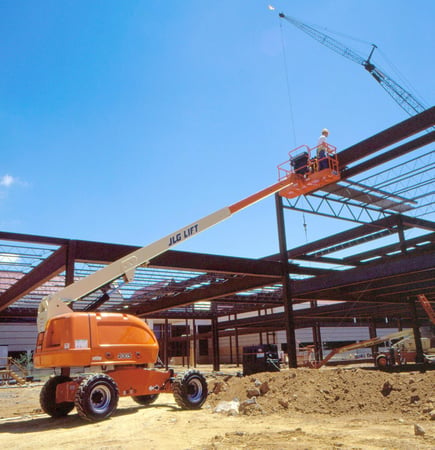
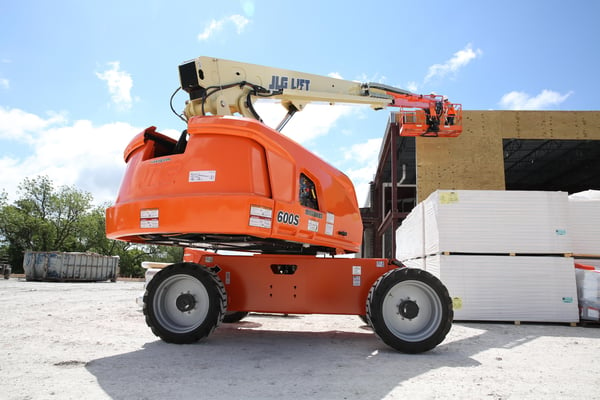
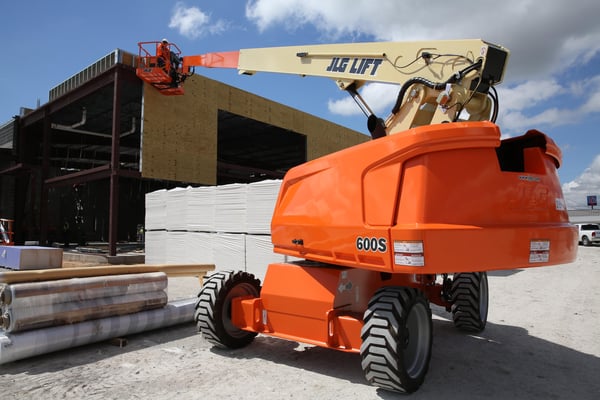
Telescopic boom lifts feature an extending lift arm, rather than one that can bend. The lift bucket is usually smaller than that of an articulated lift, so telescopic lifts are suited for one-person jobs. Because of their extending action, they can be used for jobs of varying height. This includes tree trimming and electrical work.
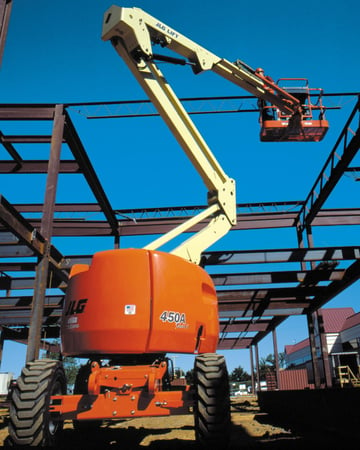
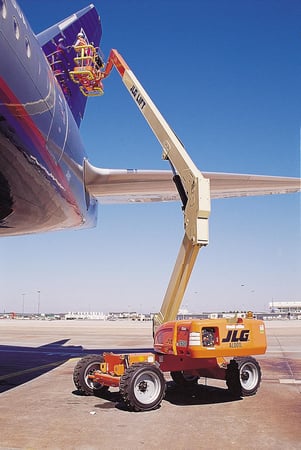
Articulating (knuckle) booms have a distinctive shape, and use pivot points to maximize length and reach. This type of lift provides “up-and-over” access that enables you to get to hard-to-reach spots at different heights or access areas over obstacles. Smaller articulating lifts come with electric engines, while larger models use diesel, dual-fuel engines. You can get electric power on lifts up to 60 feet, and diesel dual-fuel models start at 45 feet.
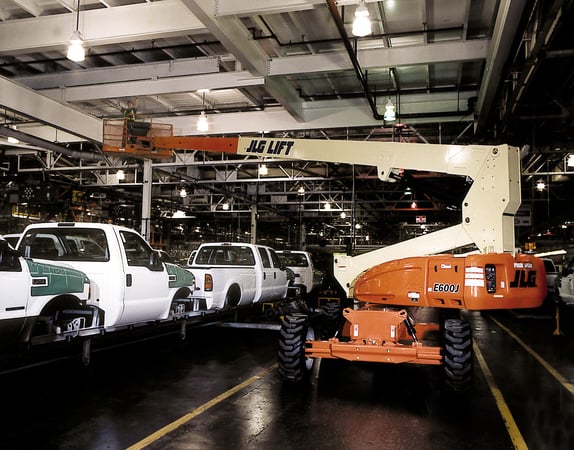
Telescope (straight) booms extend out in a straight line, giving you enough reach to directly access overhead work areas. Because their arms don’t bend, they require more space to operate, but they can also reach higher than articulating boom lifts: up to 185 feet. Telescopic lifts operate using diesel dual-fuel engines.
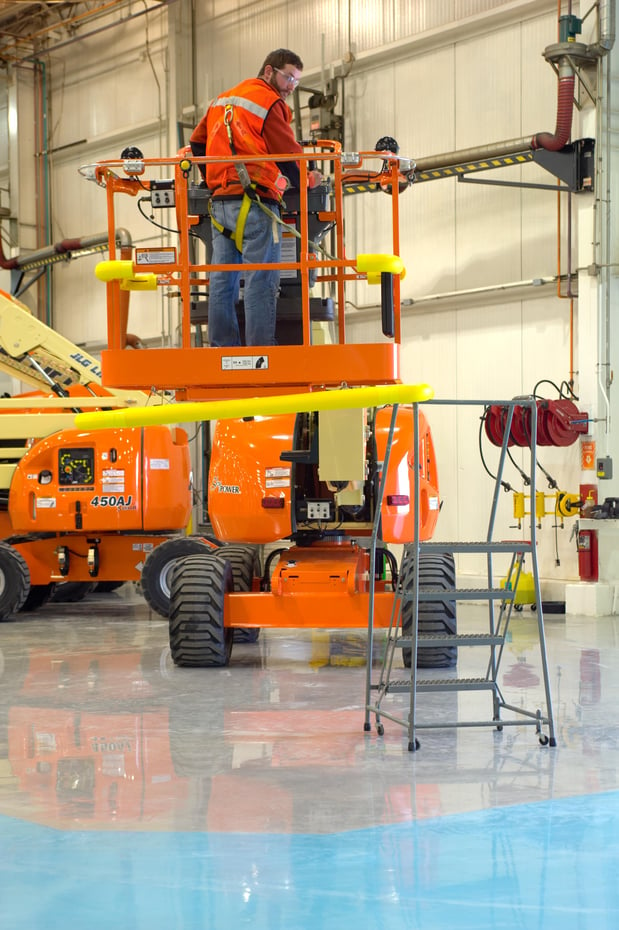
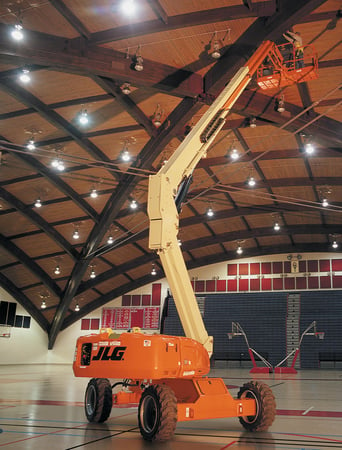
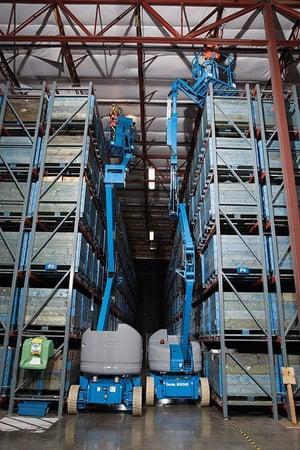
Consider which type of engine you need for your lift. Diesel-powered boom lifts emit fumes and should therefore only be used outdoors. Electric boom lifts run on battery power instead of fuel, which make them a better choice for indoor construction.
In order to provide you with the highest quality equipment at the best rates, we source from a wide network of suppliers in Derby, CT. This saves you time and money while serving as your single source supplier for all your equipment rental needs. For example, multiple item orders are often sourced using multiple suppliers to get you the best rates. Call us at (855) 837-9124 to place your order or simply book online.