

-
Equipment Rentals
- Explore Equipment for Rent
- Quicklinks
- Service Areas
-
Solutions
- Solutions for Renters
- Solutions for Suppliers
-
Company
- Learn about BigRentz
- Explore Resources
Popular Forklifts
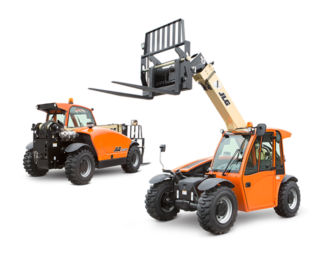
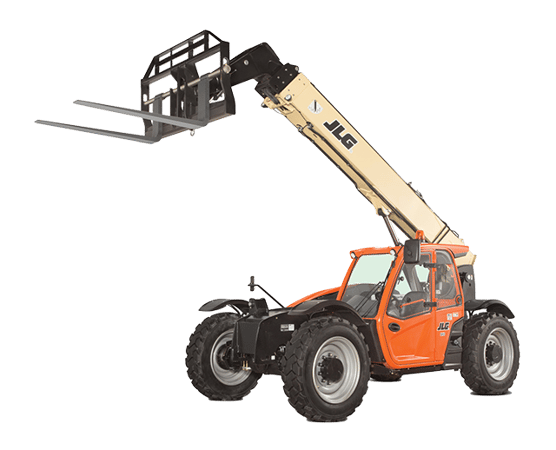
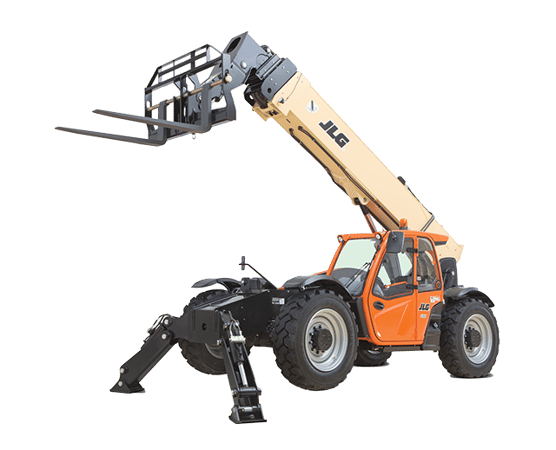
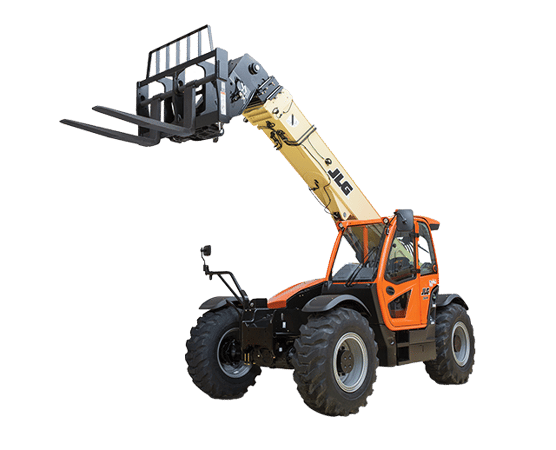
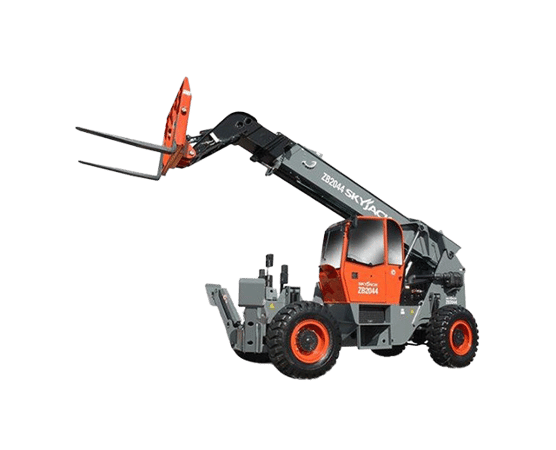
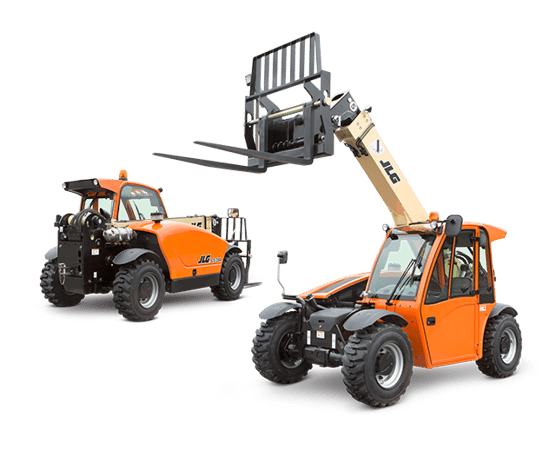
5K Telehandler Forklift, 19′
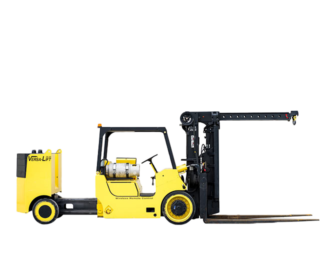
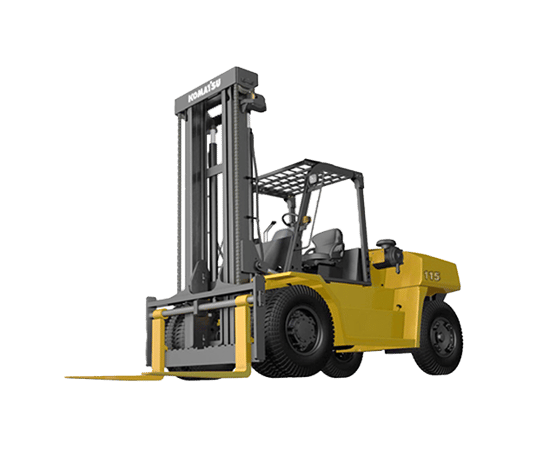
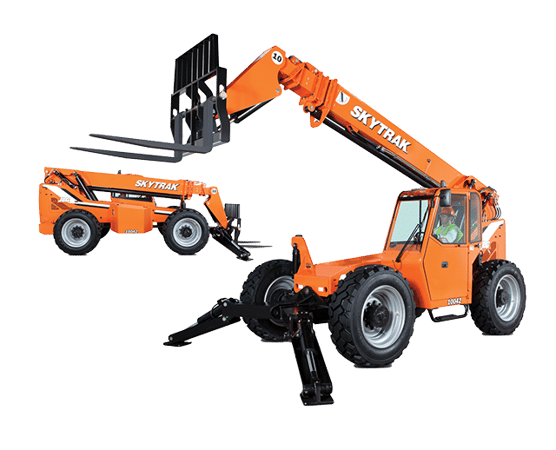
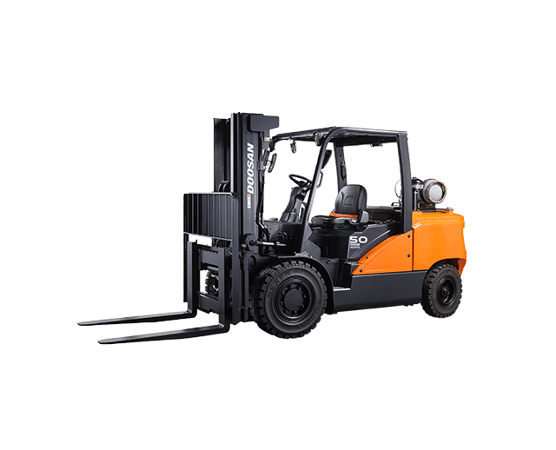
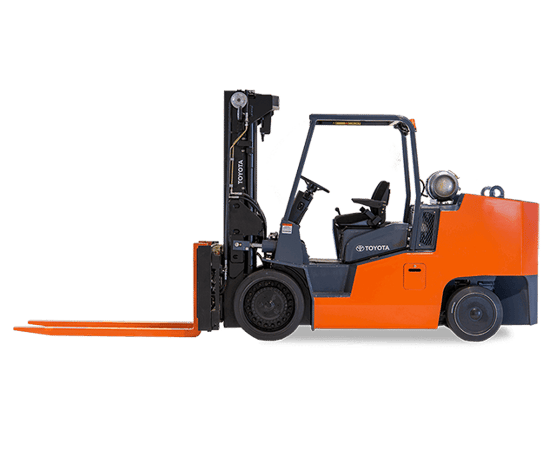
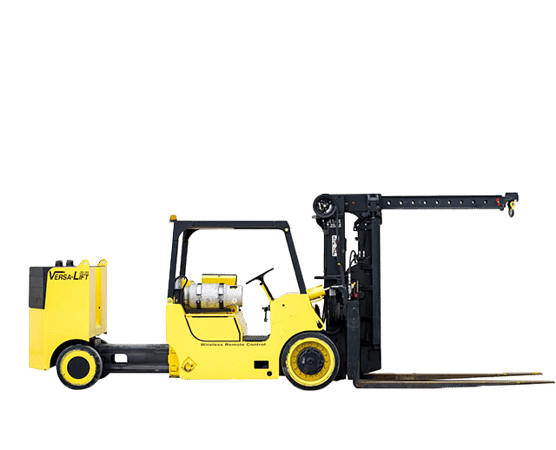
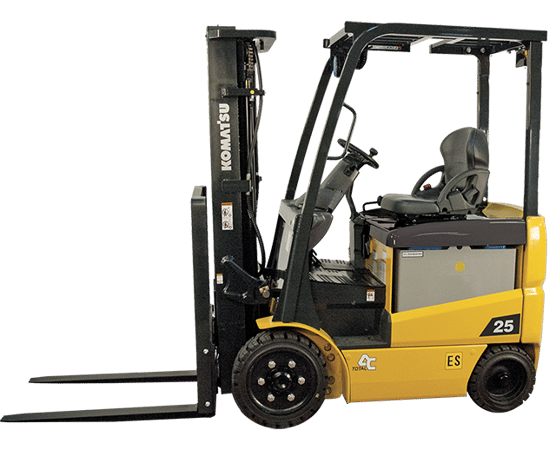
25,000-35,000 lb. Extendable Counterweight Forklift
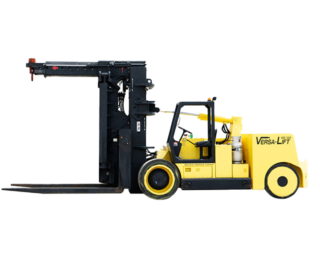
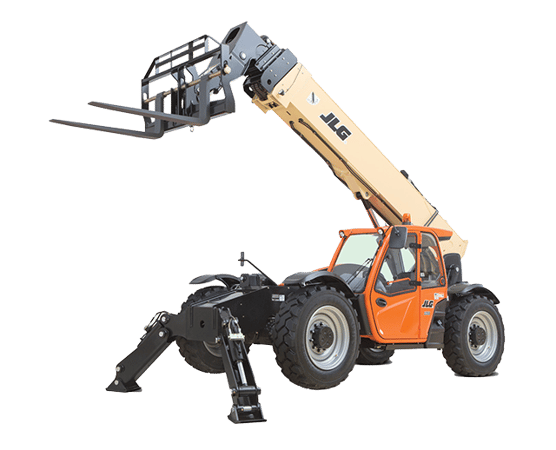
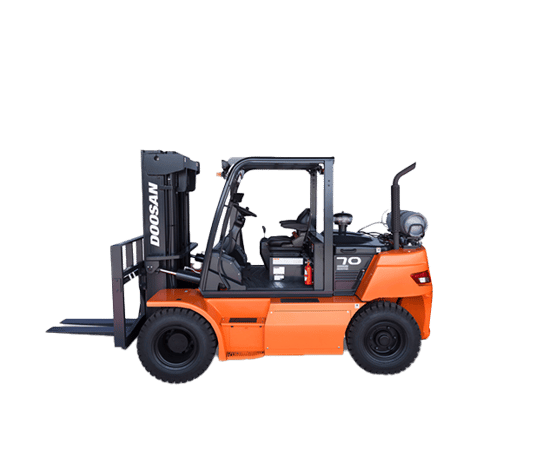
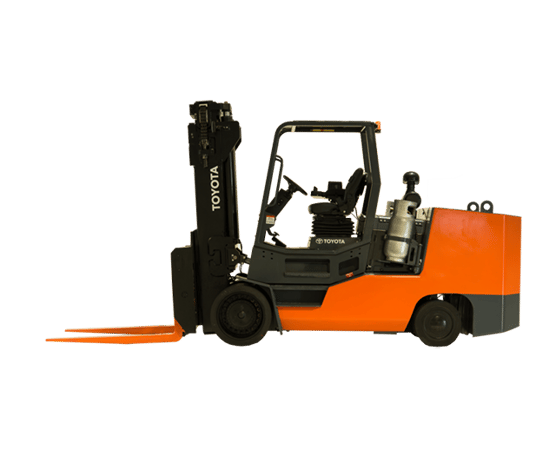
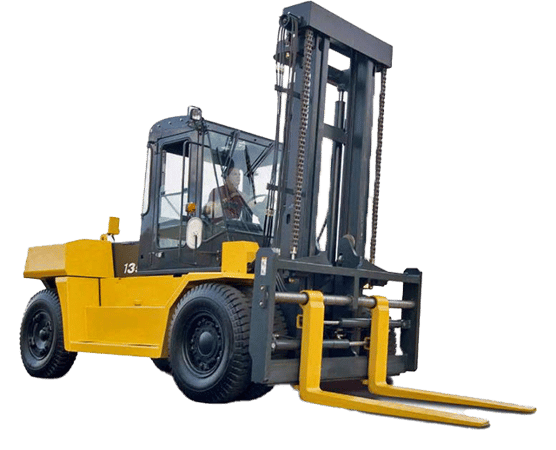
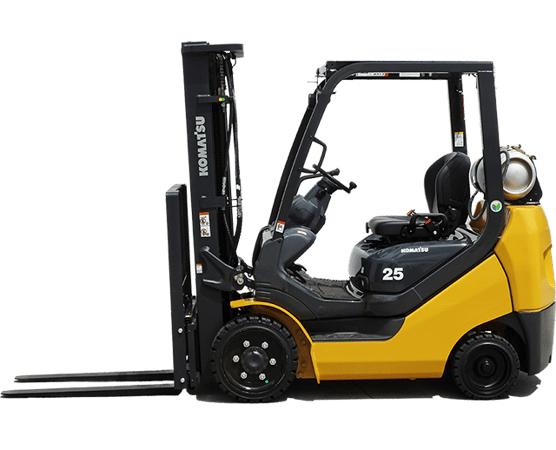
100,000-140,000 lb. Extendable Counterweight Forklift

BigRentz in Jackson, MI
Our team is available (PST)
- Mon5:00 am – 5:00 pm
- Tue5:00 am – 5:00 pm
- Wed5:00 am – 5:00 pm
- Thu5:00 am – 5:00 pm
- Fri5:00 am – 5:00 pm
- SatClosed
- SunClosed
Forklift Rental Guide
Deciding which type of scissor lift to use isn’t easy. You need to think about height and lift the weight. Choose poorly and your scissor lift might not satisfy your needs.
Frequently Asked Questions
Item #1
Lorem ipsum dolor sit amet, consectetur adipiscing elit. Ut elit tellus, luctus nec ullamcorper mattis, pulvinar dapibus leo.
Item #2
Item #3
Forklift rental costs vary depending on the type of forklift you need. On average, a standard 5,000-pound cushion tire, warehouse forklift costs around $150 a day to rent. Electric forklifts, pneumatic tires, or forklifts with higher weight-lifting capacity will be more expensive. For example, a 5,000 lbs pneumatic tire warehouse forklift costs $154 per day and up to $1,040 per month to rent. Meanwhile, a quad mast pneumatic tire warehouse forklift with the same lift capacity costs $234 per day or $1,248 per month to rent. Larger load sizes will cost more, as well. An 8,000 lbs cushion tire warehouse forklift costs $269 per day, $624 per week, and $1,560 per month (long-term) to rent.
There are many models and classifications of forklifts. They include:
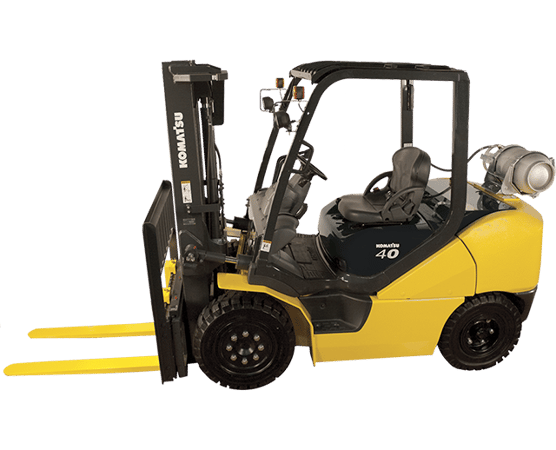
- Warehouse forklifts: Capable of lifting between 1 and 5 tons, they are great for loading and unloading packaged products in a warehouse setting.
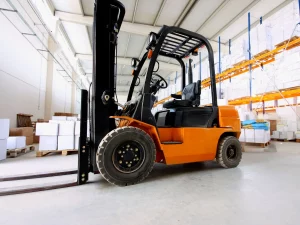
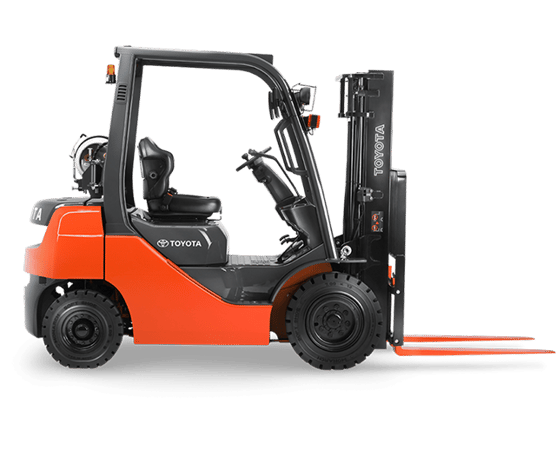
- Counterbalance forklift: This common forklift has a counterweight situated at the rear to counterbalance the load lifted by the forks.
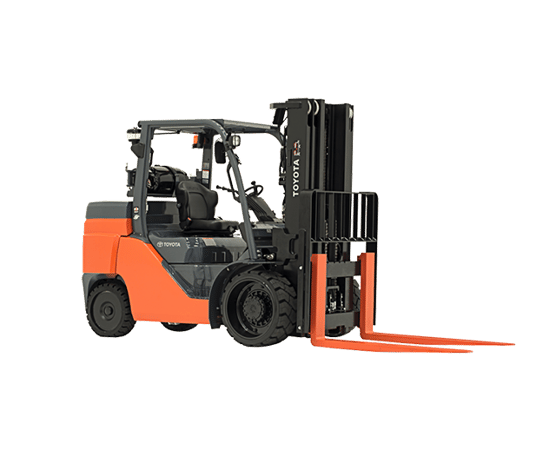
- Industrial forklift: These powerful forklifts are able to lift heavy loads high off the ground.
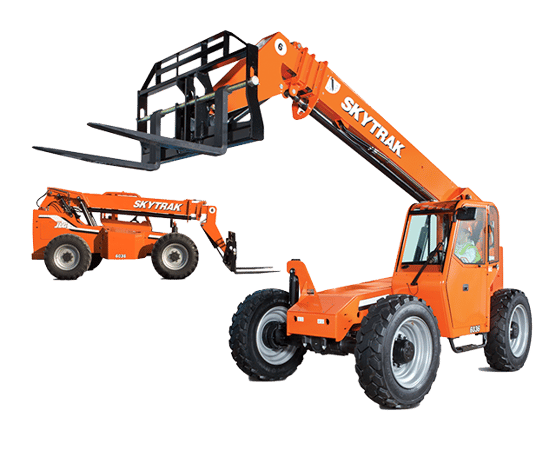
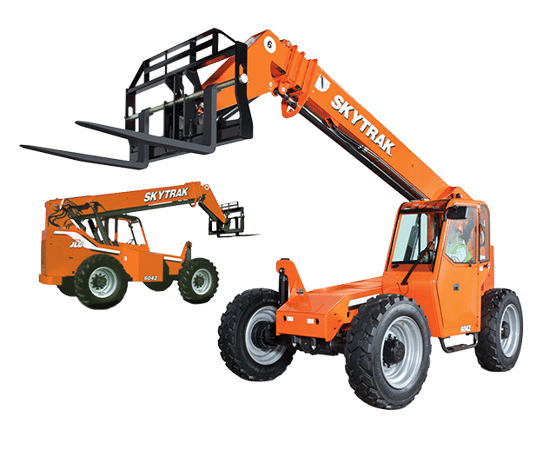
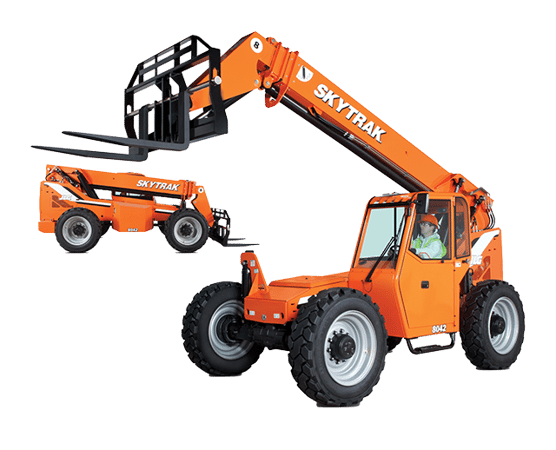
- Telehandler: Also known as a telescopic forklift, it has a boom and extendable arm, which increases the lifting range.
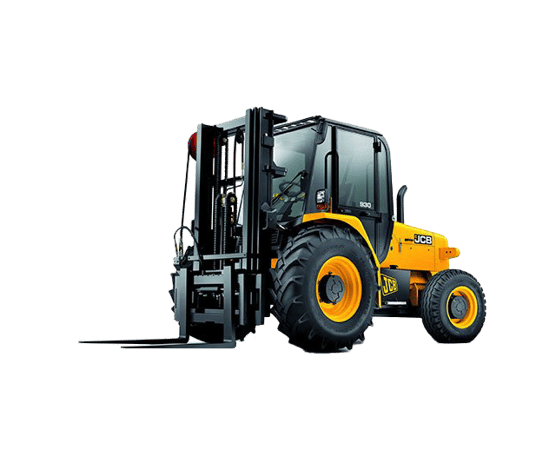
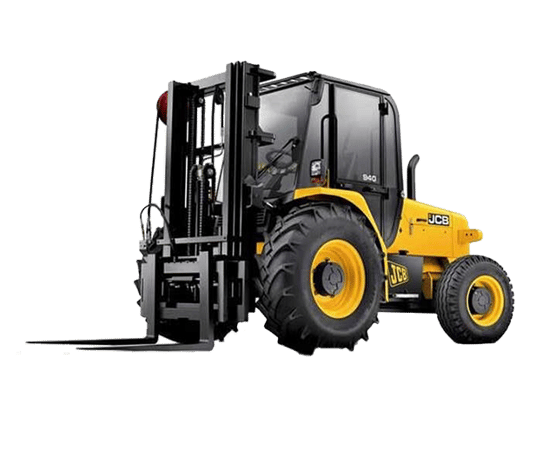
- Rough terrain forklift: These are designed for heavy-duty outdoor work and can handle uneven ground, featuring oversized pneumatic tires for extra balance and stability.
- Pallet jack: Also known as pump trucks, these devices are manually pushed or pulled. They use pneumatic or electric power to raise items off the ground for movement.
Pneumatic tires, or air-filled tires, offer better traction and are ideal for outdoor jobs with undeveloped surfaces, while cushion tires are better for navigating congested warehouse floors and tight aisles.
Forklifts can accommodate different attachments in addition to the standard forks. The most common attachments include:
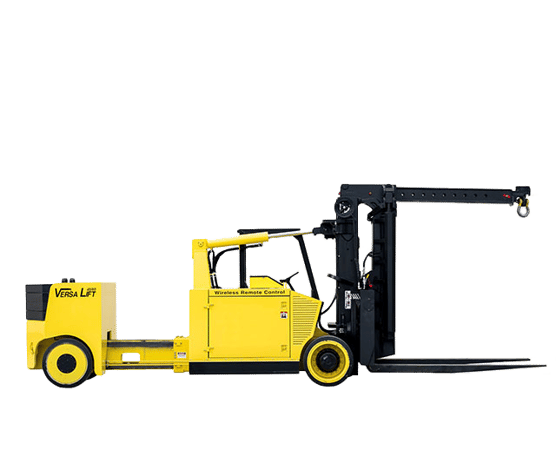
- Booms: Allow the forklift to lift loads up to 8,000 pounds from above, instead of below. They can also support claws to help move oddly-shaped items.
- Rotators: Able to lift and spin bins and other containers 360 degrees.
- Platforms: Equipped with rails and safety straps, these are great for lifting workers. Each attachment will have a different rental cost, which will also vary depending on the size and type of forklift to which it will be attached.
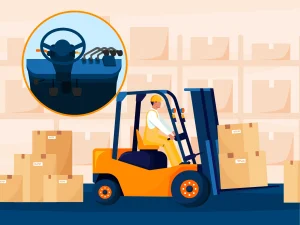
OSHA requires all forklift operators to be certified. Those younger than 18 aren’t allowed to operate powered industrial trucks. Each forklift has different certifications. Forklift operators must take a training course. After training, they must pass a written test and be evaluated on their hands-on operation. Forklift operators should be familiar with steering, driving, loading/unloading, safety, and maintenance aspects of the forklift.
Warehouse forklifts come in two main types: side loaders and counterbalance forklifts. A side loader unloads objects on its side, so it can operate in narrow aisles, loading and unloading objects without needing to turn. It’s good for handling long objects such as beams, pipes, and lumber.
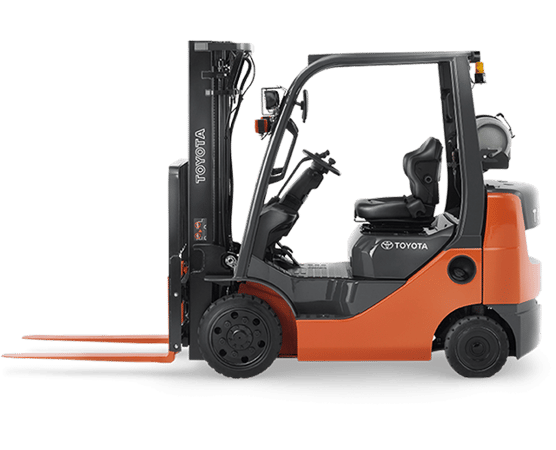
A counterbalance forklift is designed with the forks in the front. The weight of a load is therefore counterbalanced by the weight of the vehicle behind the forks. A three-wheel version allows the operator increased flexibility to move in circles when needed.
When determining what capacity you need, consider your load center, load distribution, and how high you need to lift. Forklifts have data plates that share the rated capacity at different load centers and heights. This may be different than their maximum capacity.
Smaller warehouse forklifts can lift about 5,000 pounds to 12,000 pounds, while heavy-duty models can handle up to 25,000 pounds.
A forklift’s maximum height will depend on the type of forklift and type of mast. A standard forklift can reach heights of 10 to 15 feet. Reach trucks with open compartments for better visibility can access indoor storage spaces up to about 40 feet high.
Other forklifts that can be used in warehouses include pallet jacks (also known as pump trucks), which are designed for lifting small loads in tight spaces; and standup models such as walkie stackers and order pickers.
The cost to rent a warehouse forklift depends on carrying capacity, tire type, and fuel type. Tires can be pneumatic (air-filled) or cushion, and some forklifts run on electricity, while others use propane. Here are a few examples of warehouse forklift rental costs.
- A 5,000 lbs cushion tire warehouse forklift costs $150 a day, $393 a week, and $1,007 a month to rent.
- A 5,000 lbs electric cushion tire warehouse forklift costs $182 a day, $468 a week, and $1,248 a month to rent.
- An 8,000 lbs pneumatic tire warehouse forklift costs $182 a day, $442 a week, and $1,248 a month to rent.
- An 8,000 lbs cushion tire warehouse forklift costs $269 a day, $624 a week, and $1,560 a month to rent.
Air-filled tires, or pneumatic tires, are used for both outdoor and indoor projects. Their tread allows them to easily navigate rough and uneven surfaces without compromising loads. Cushion tires are designed to navigate polished indoor surfaces only, but offer better maneuverability and a smaller turning radius than air-filled tire models.
OSHA standards can differ depending on the state. Only people who have been trained and licensed to OSHA standards should operate a forklift. Employers should evaluate workers’ performance every three years at minimum, offering demonstrations along with software and hands-on training, videos, and verbal instruction.
Since heavy duty forklifts are larger than standard lift trucks, they’re usually harder to source and have limited availability nationwide. If specific pricing is not available, request a quote online or call to speak to a representative. Prices may vary depending on availability, jobsite location, and other factors.
Air-filled tires, or pneumatic tires, are used for both outdoor and indoor projects. Their tread allows them to easily navigate rough and uneven surfaces without compromising loads. Cushion tires are designed to navigate polished indoor surfaces only, but offer better maneuverability and a smaller turning radius than air-filled tire models.
OSHA standards can differ depending on the state. Only people who have been trained and licensed to OSHA standards should operate a forklift. Employers should evaluate workers’ performance every three years at minimum, offering demonstrations along with software and hands-on training, videos, and verbal instruction.
Since heavy duty forklifts are larger than standard lift trucks, they’re usually harder to source and have limited availability nationwide. If specific pricing is not available, request a quote online or call to speak to a representative. Prices may vary depending on availability, jobsite location, and other factors.
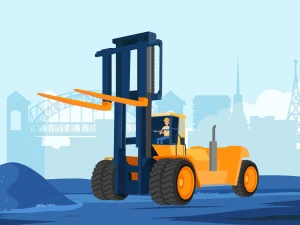
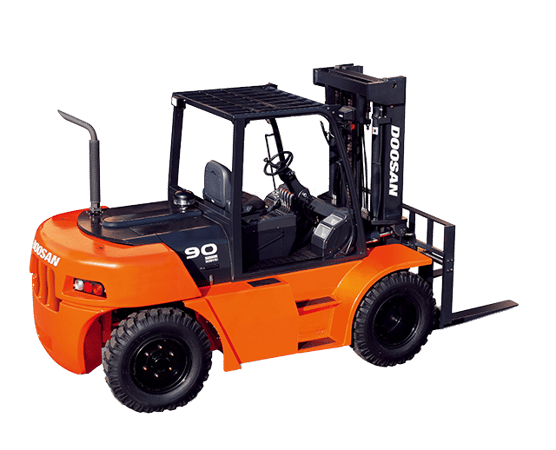
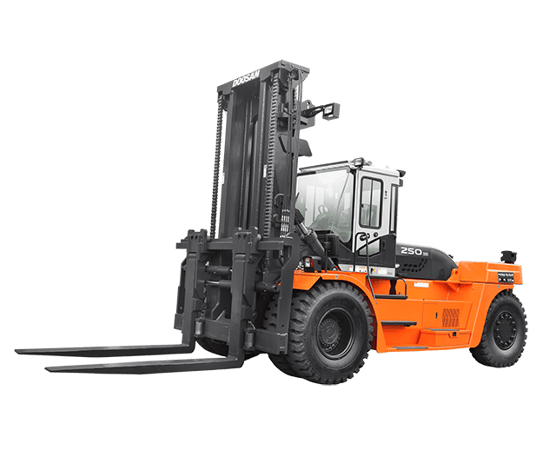
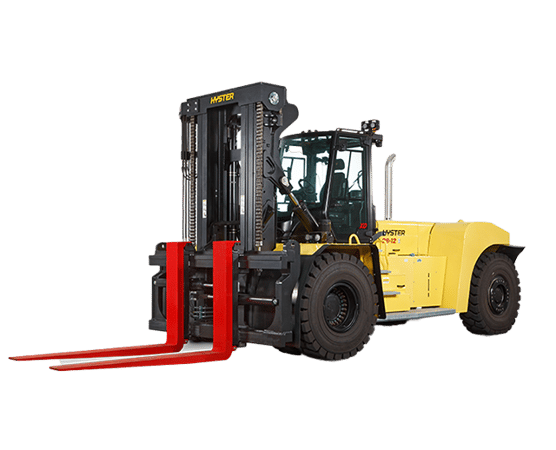
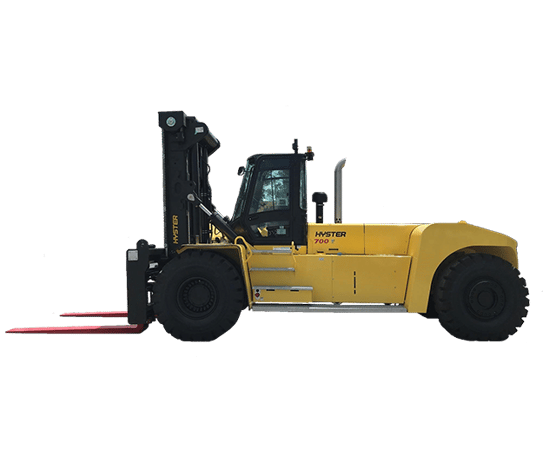
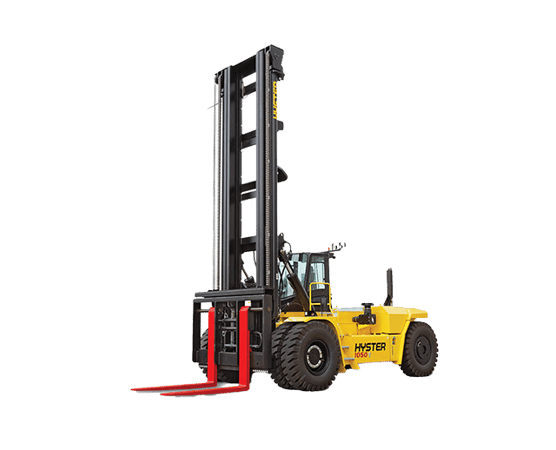
Heavy duty forklifts can carry much heavier loads than standard forklifts. Their lift capacities typically range from 30,000 to 100,000 pounds, although they can go even higher if they have enough counterweight to balance their loads. For instance, an extendable counterweight forklift model is available to handle loads as heavy as 140,000 pounds.
Note that the load capacity is the maximum load a forklift can carry at the given load center. If the load is not centered or at an angle, it will not be able to carry the same weight. Attachments will also change load capacity.
There are two types of forklift tires: pneumatic and cushion. What you’ll need will depend on where you’re operating your forklift.
- Pneumatic tires: These are typically used outdoors or in rough outdoor conditions such as rain, dirt, or snow. Their tread allows them to maintain traction on rough terrain, which increases stability.
- Cushion tires: These are best suited for indoor areas such as warehouses with smooth floor conditions. They also work well on ramps or loading docks.
- Internal combustion (gas or diesel): IC forklifts are more common. They are cheaper to purchase and are easier to refuel, especially if being used in an outdoor environment. However, they have a higher maintenance cost and will cost more in fuel over a long period of time.
- Electric: Battery-powered forklifts give off fewer emissions and are suitable for use indoors. They’re also quieter, but they’re the most expensive option and require more downtime to recharge.
The Occupational Safety and Health Administration (OSHA) specifies that all forklift drivers need to be professionally trained and certified before they can operate a powered industrial truck such as a forklift at a worksite.
OSHA offers 90-minute forklift safety classes for $79, and employers must evaluate workers’ performance at least every three years. OSHA standards can differ from state to state, so it’s important to be familiar with your state’s specific requirements.
Walkie stacker rental pricing depends on your location and the amount of time you will be using the machine. Daily, weekly, and monthly rentals are available. Just enter your zip code or city and state in the “Jobsite Location” field and the pricing will be calculated for you. Walkie stacker pricing starts at $135/day, $333/week, and $832/month.
Most pallet jacks have a maximum lifting capacity of about 5,000 pounds. The load capacity will depend on the model, so make sure to check this to determine the right pallet jack for your needs. Heavy-duty pallet jacks can support heavier loads up to 15,000 pounds.
Pallet jacks aren’t built to lift materials as high as forklifts. Most are able to raise their loads just a foot or two off the ground, although some have a maximum lift height of eight feet. Make sure to double check what your model is capable of.
As you might suspect, pallet jacks are less expensive to rent than forklifts. The price will vary depending on the type of pallet jack and the duration of your rental.
A manual pallet jack is significantly less expensive than an electric model. It can cost $47 a day, $130 a week, or $260 a month. A motorized pallet jack will run you $78 a day, $229 a week, or $624 a month.
Whether you need a manual or electric pallet jack will depend on the size of the load you want to carry, how high you want to lift it, and how tight the space is where you’re working.
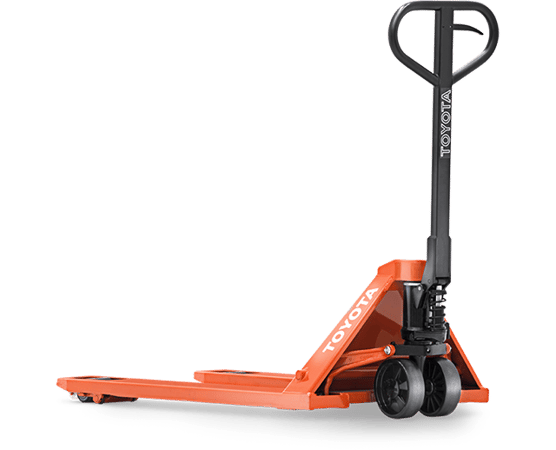
- Manual pallet jack: These hand-operated models use a hydraulic spring to lift pallets off the ground. They’re best suited for lighter material that’s easier to transport and doesn’t have to be lifted as high. Manual pallet jacks come in several varieties, including models that can be adjusted to handle wider or narrower loads and jacks equipped with a digital scale to display the weight of each load.
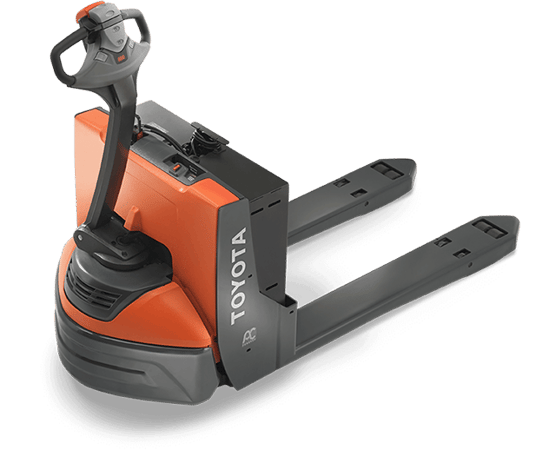
- Electric pallet jack: These battery-powered units save on manual labor, but they’re more expensive and require more training. Instead of using a hydraulic pump to raise and lower their prongs, they perform the task using a powered motor. Because they run on electricity, they need to be recharged between uses. Like manual pallet jacks, electric models come in several varieties.
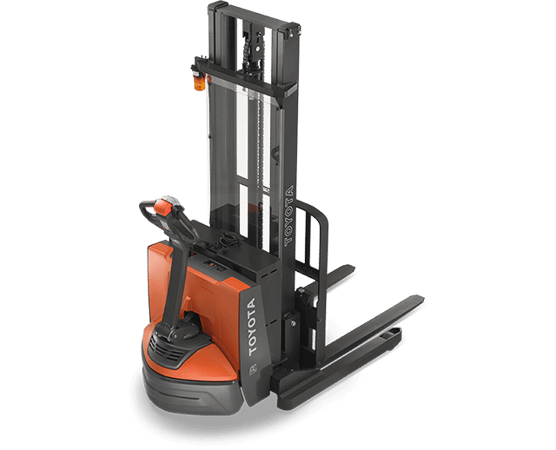
Maximum lift height varies by the type of walkie stacker you choose. A standard walkie stacker features a small turning radius and a lift height ranging from around six feet to 14 feet. A counterbalance walkie stacker features a weight to help distribute loads. This type of stacker has a wider turning radius but boasts a maximum lift height of nearly 20 feet.
Maximum lift capacity also depends on the walkie stacker make and model. A standard walkie stacker has a 2,500-pound capacity limit. An industrial walkie stacker can generally lift up to 4,000 pounds. Some of the largest heavy-duty electric walkie pallet jacks have an impressive 6,000-pound maximum lift.
You can rent a large variety of stackers. Because certain types of stackers are better suited to certain applications, you can use this list to see which walkie stacker fits your needs the best:
- Walkie straddle stacker: The most common kind of stacker, this unit uses straddle legs to both distribute load weight and reduce the amount of space needed to lift a pallet.
- Walkie reach stacker: A reach stacker introduces a pantographic scissor mast, which allows it to reach further forward than a straddle stacker can.
- Ride-on walkie stacker: Ride-on stackers feature an operator platform and specialized controls. As a result, these vehicles require a forklift license to operate them.
- Counterbalance walkie stacker: Counterbalance stackers utilize a weight to distribute loads, giving them higher lifting heights than other walkie stackers.
- Standard walkie stacker: Ideal for both transportation and pallet stacking, standard walkie stackers can handle two pallets at once and offer the smallest turning radius of all the walkie units.
Walkie stackers have several advantages over forklifts. Often more affordable and agile, walkie stackers give off no exhaust pollution and have fewer licensing requirements. They are ideal for indoor spaces, smaller capacities, and projects with shorter durations and lower budgets.
In other circumstances, forklifts make a better option. Because of their size, walkie stackers are not suitable for heavy-duty loads. For projects with higher load capacities, larger transport distances, longer durations, and outdoor environments, you may be better off renting a forklift.
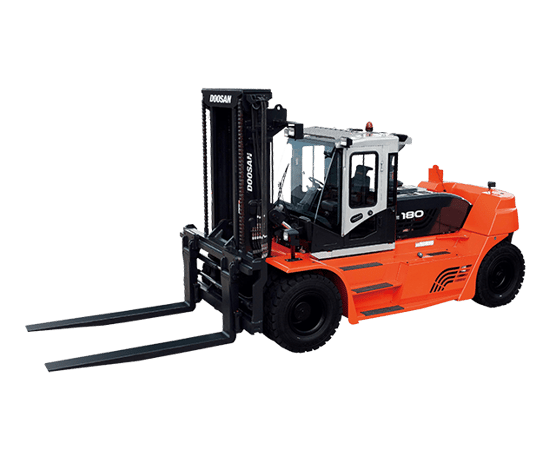
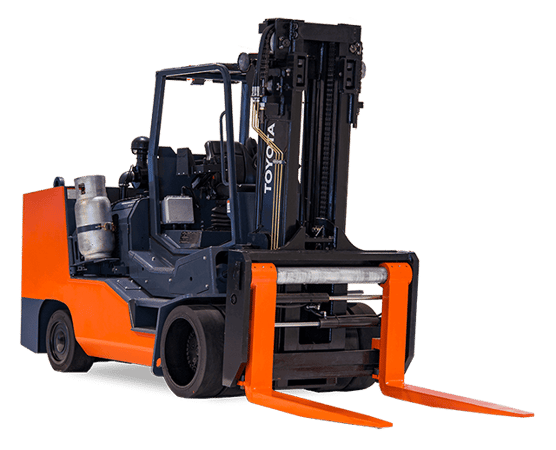
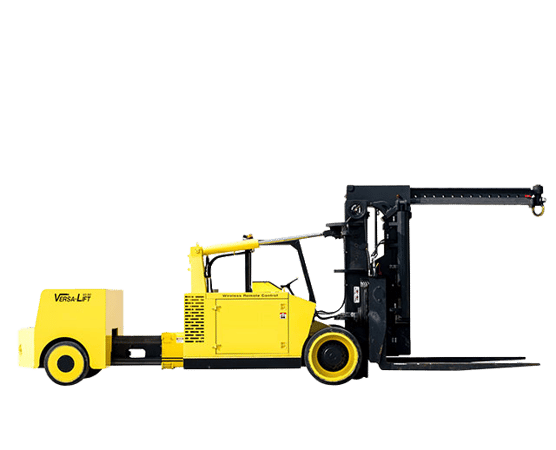
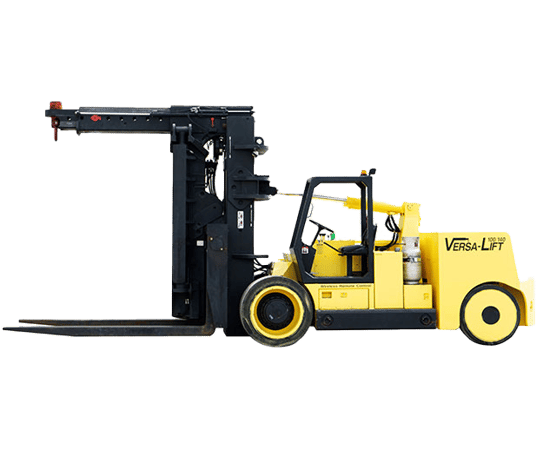
Extendable counterweight forklifts are able to handle heavier loads than a typical forklift. Because of their relatively compact size, these forklifts can navigate smaller areas and confined spaces, making them ideal for moving heavy machinery in factories or on loading docks.
Standard or reach forklifts differ from extendable counterweight forklifts mainly in terms of how much weight they can handle and what kind of jobs they do. Reach trucks are typically seen in warehouses lifting relatively small items—usually no more than a few hundred to a few thousand pounds. Extendable counterweight forklifts lack the vertical reach of standard forklifts, but they can handle loads of 25,000 pounds up to 140,000 pounds.
The main difference between the forklift types is how much weight they can carry, and you can tell what their capacity is based on the type. The 25/35 can carry 25,000 to 35,000 pounds, the 40/60 can handle 40,000 to 60,000 pounds, and so on.
The exact amount the forklift will be able to carry depends on three factors: load center, counterweight extended or retracted, and counterweights used:
- Load center: This is the distance from the center of the load to the face of the forks or boom.
- Counterweight extended or retracted: Counterweight extensions come in different lengths, as measured in inches: 0, 12, 24, 36, and 48.
- Counterweights used: Each type of forklift has a different number of counterweight slabs. The 60/80, for example, has six slabs, while the 100/140 has nine.
Haven’t got your answer? Contact our support now
From Our Think Big Blog
About Our Supplier Network Coverage
14