

All Posts
For many organizations, equipment rental cost reduction starts and ends with negotiating lower rates. Procurement teams spend months securing discounts, comparing bids, and pushing vendors for better pricing. But at scale, the biggest savings opportunities often come from a different place entirely: supplier strategy. When companies manage equipment rental needs across multiple projects, regions, business […]
July 20, 2026

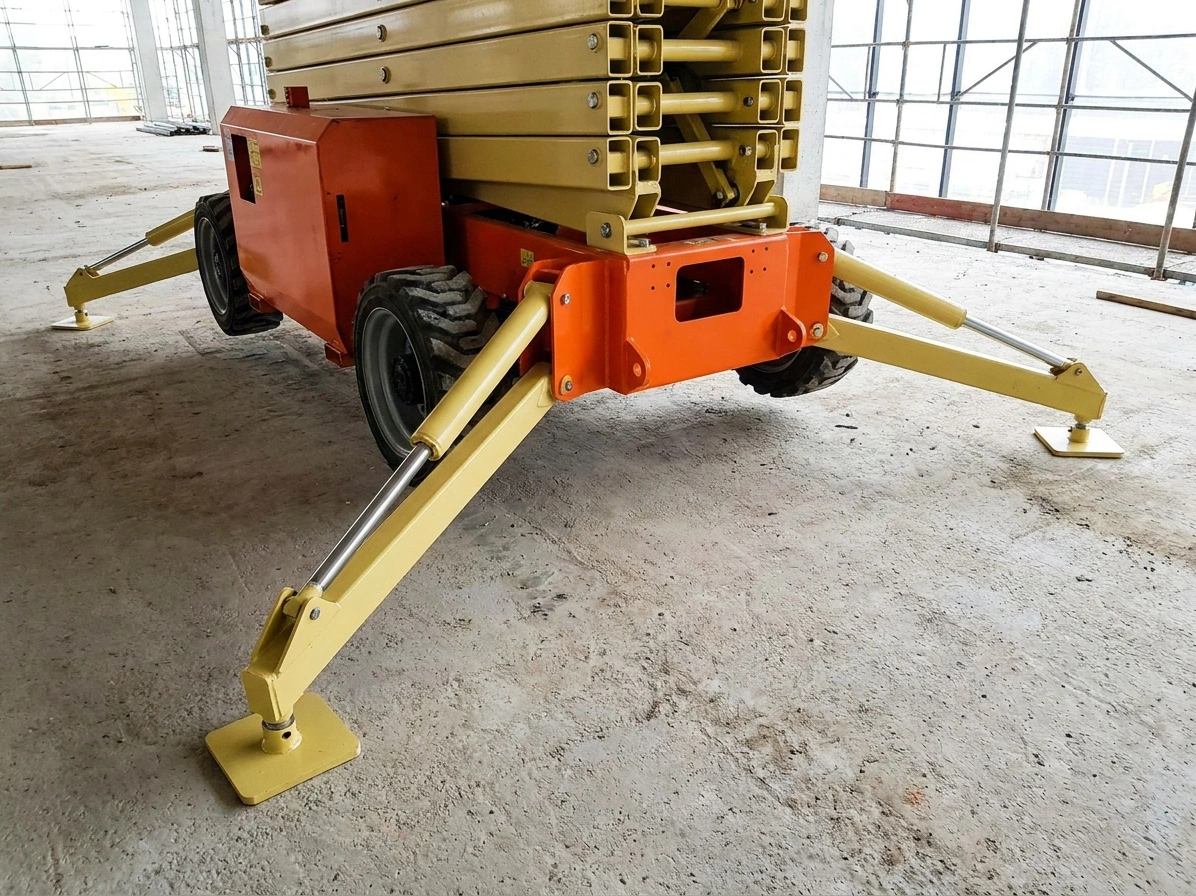
Outriggers on a scissor lift extend the machine’s effective base width to maintain stability when the standard footprint isn’t sufficient for the ground conditions or the lift height involved. While it is a simple mechanical concept, knowing when to use a scissor lift with outriggers and how to deploy them correctly can ensure the safety […]
June 29, 2026
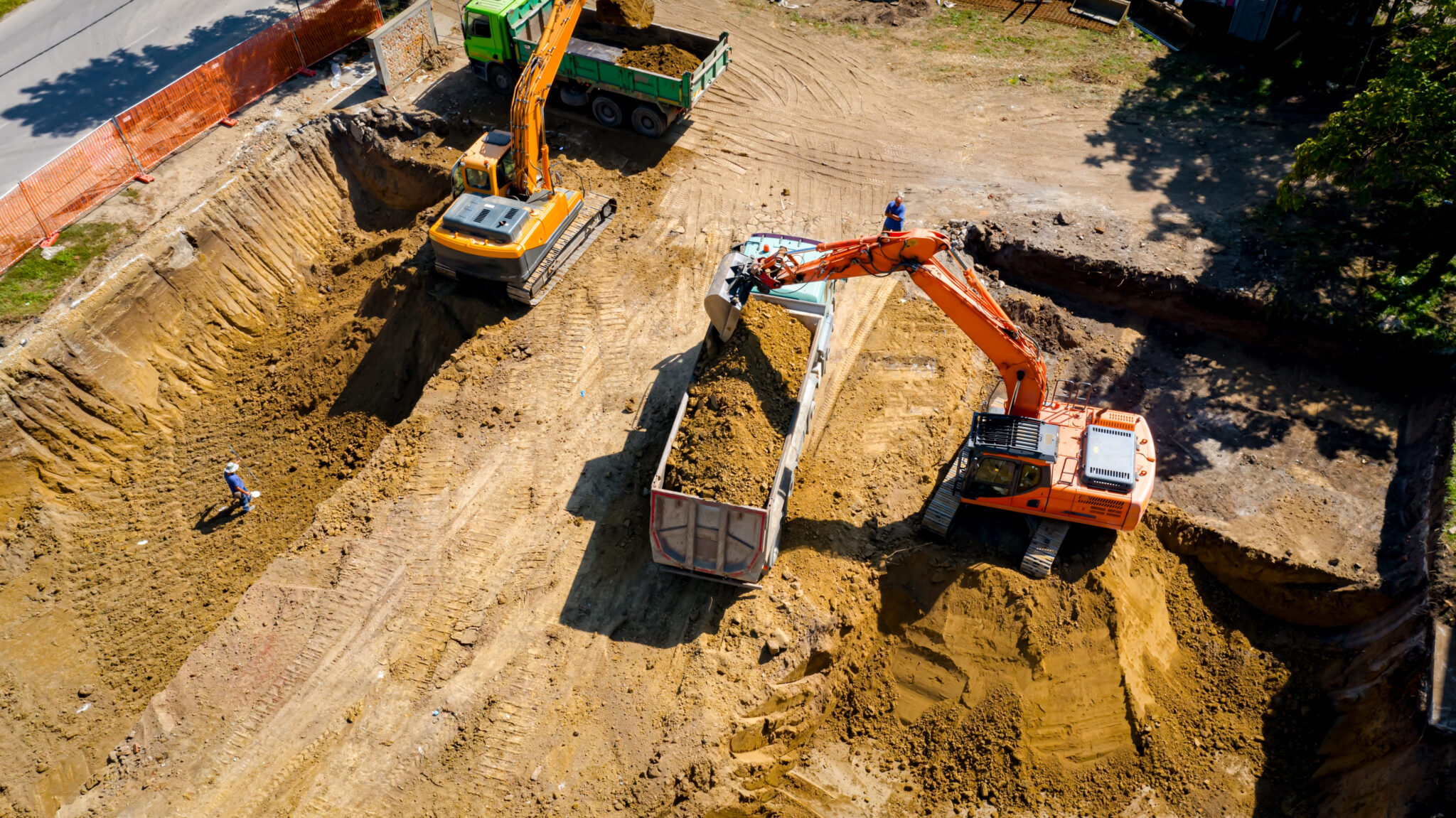
As organizations grow, equipment rental management becomes more complicated. What works for a single project often breaks down when equipment is being rented across multiple jobsites, regions, business units, or departments. Different teams may use different suppliers, follow different approval processes, and track equipment in different ways. The result is often limited visibility, inconsistent costs, […]
June 26, 2026
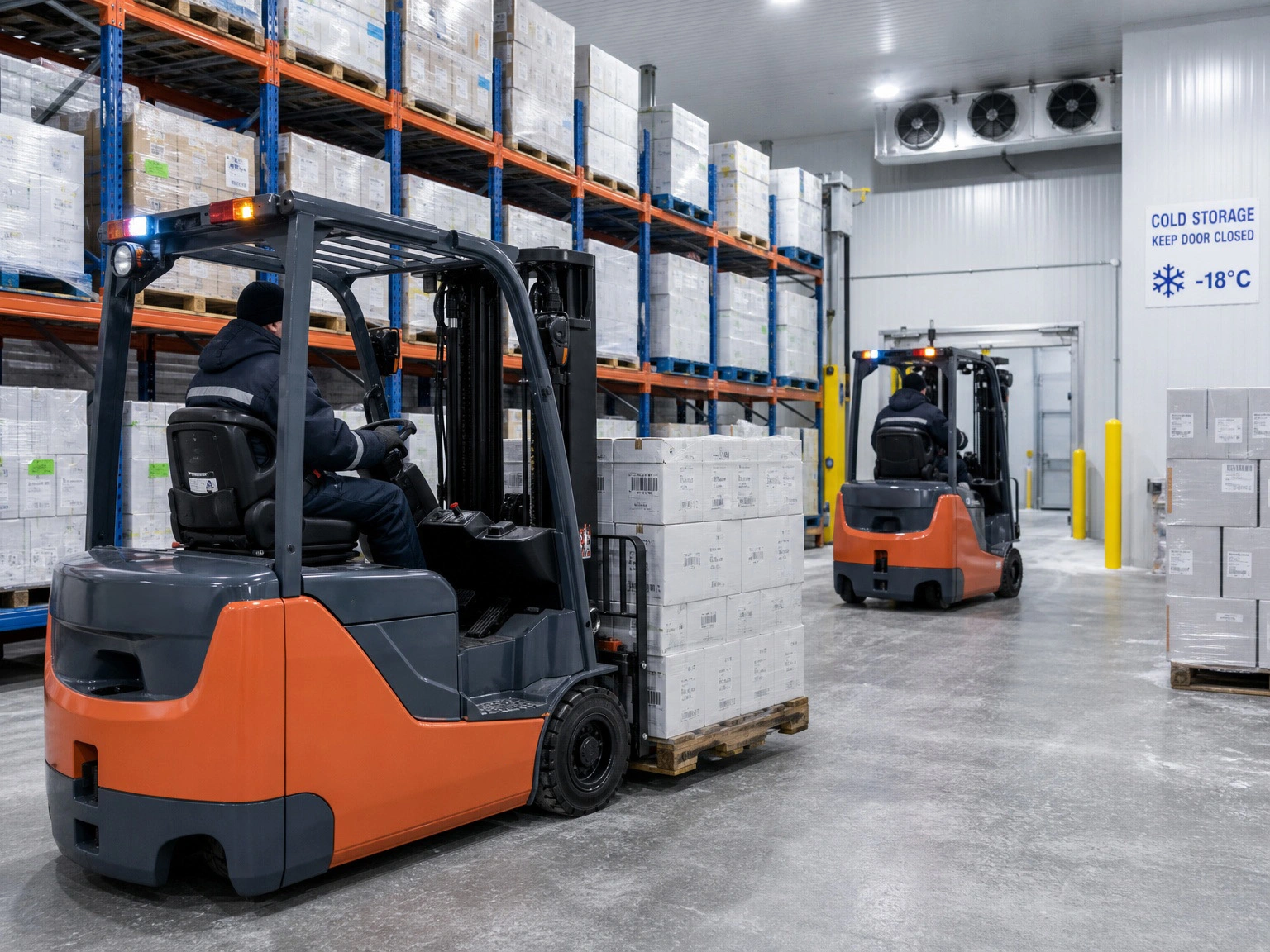
Cold storage forklift operations come with challenges that do not exist in ambient warehouse environments. In freezer and refrigerated facilities, low temperatures can reduce forklift performance, accelerate wear on key components, create traction and visibility issues, and place more physical strain on operators. Cold storage planning goes beyond temperature control. Low-temperature environments change how forklifts […]
June 24, 2026
The Occupational Safety and Health Administration (OSHA) requires forklift operators to check their equipment before and after each use. However, many skip an important part of that process: reading and understanding the data plate. Data plates are small and easy to overlook, so that may be one contributing factor. But even operators who take the […]
June 22, 2026
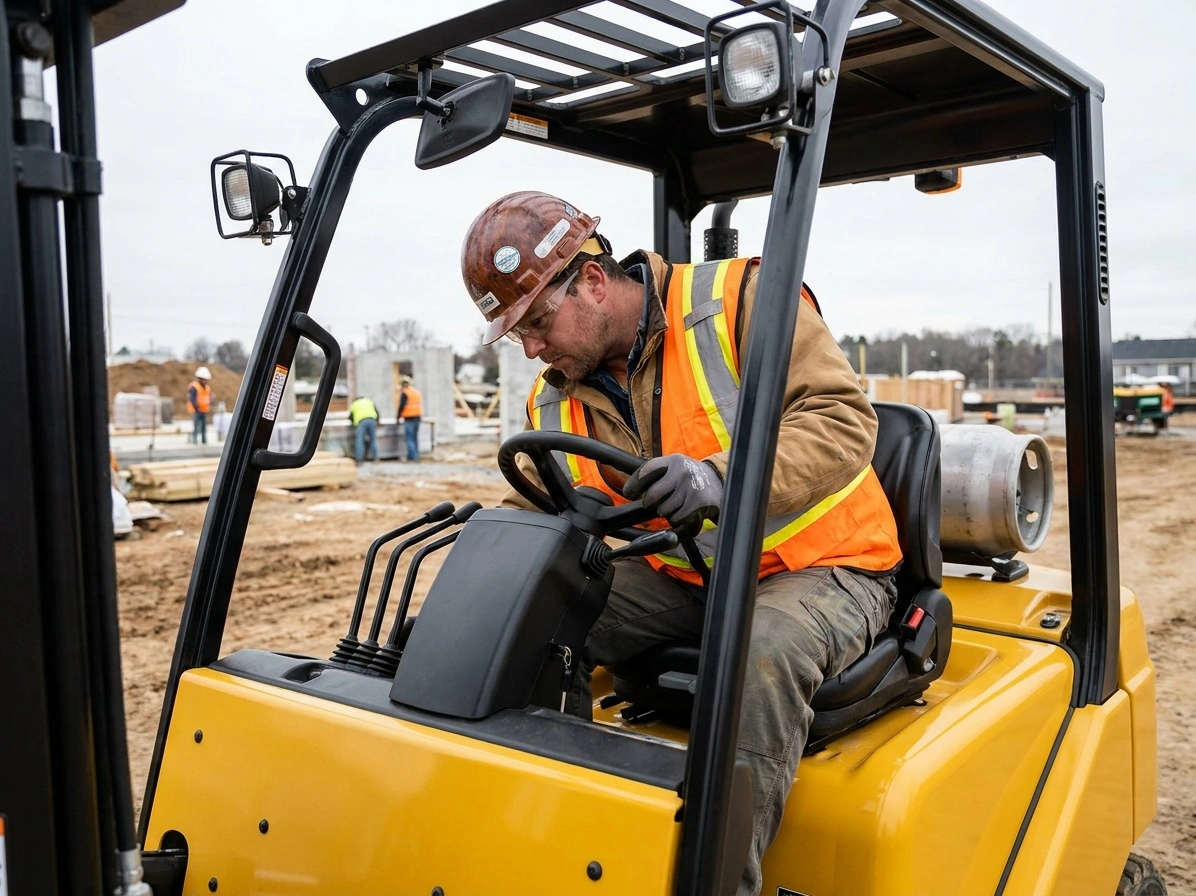
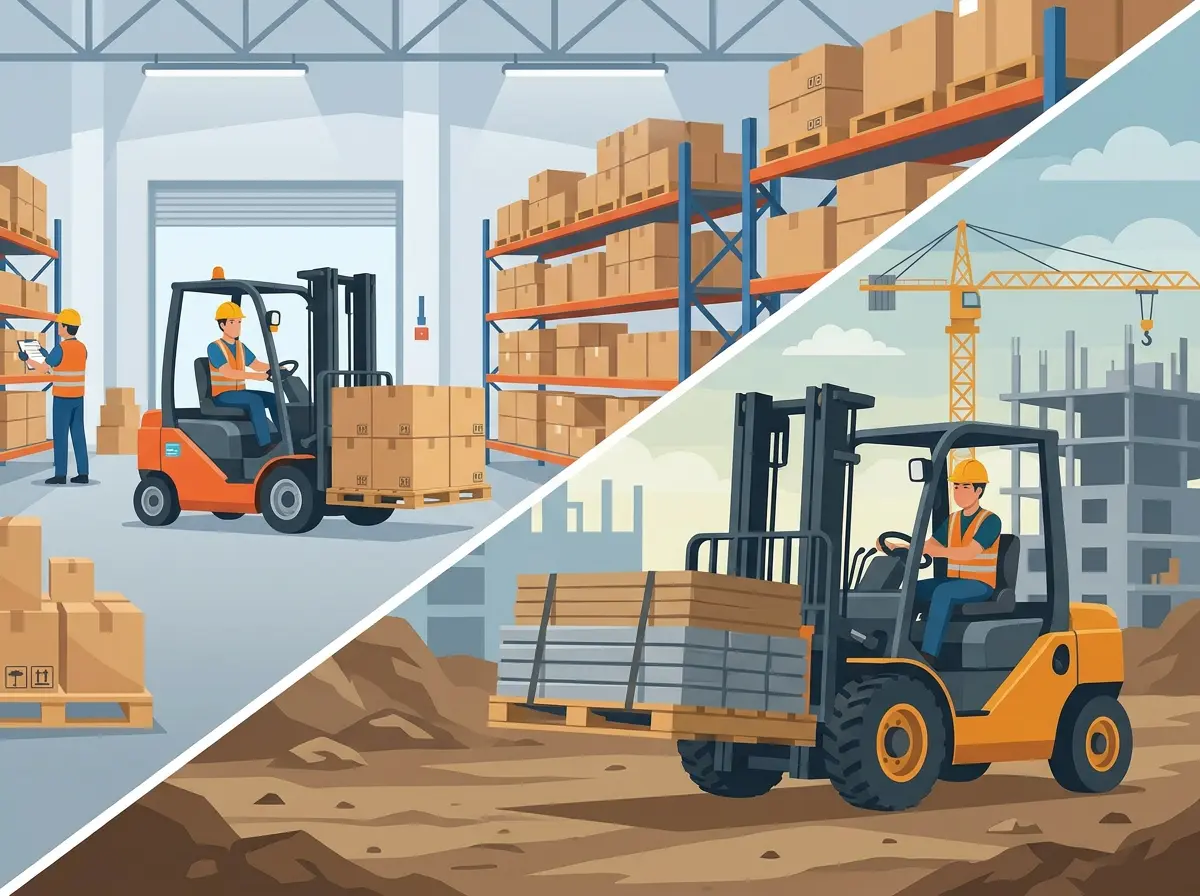
Choosing the wrong forklift configuration can create problems long before the machine ever lifts a load. For crews and site supervisors, the real issue is not just efficiency. A mismatched indoor or outdoor forklift can affect traction, air quality, maneuverability, and overall jobsite safety. A cushion-tire model may struggle on gravel or broken pavement, while […]
June 19, 2026
Forklift collisions, particularly with pedestrians involved, are among the leading causes of forklift-related fatalities in the U.S., accounting for 36% of forklift-related deaths. Excessive travel speed is a contributing factor in a significant proportion of those forklift accidents. OSHA does not mandate a universal speed limit for operating forklifts. Employers bear full responsibility for setting […]
June 17, 2026

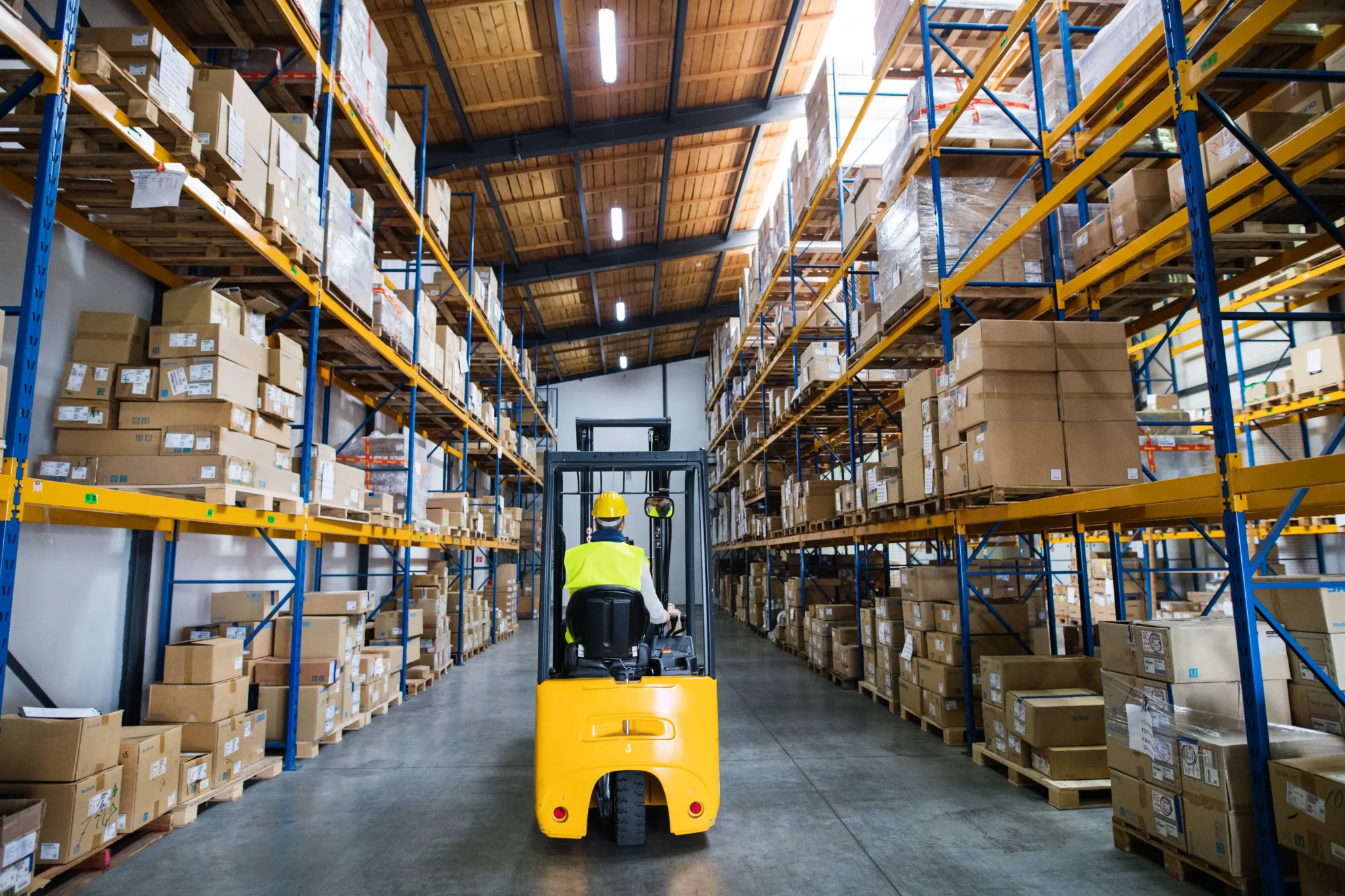
Deciding how wide to make your aisles is one of the most important decisions you’ll make when determining your warehouse layout, and it’s not always a clear-cut choice. Wider aisles can accommodate more forklift types and provide sufficient room to turn, but they decrease the number of rack rows the facility can fit. On the […]
June 17, 2026
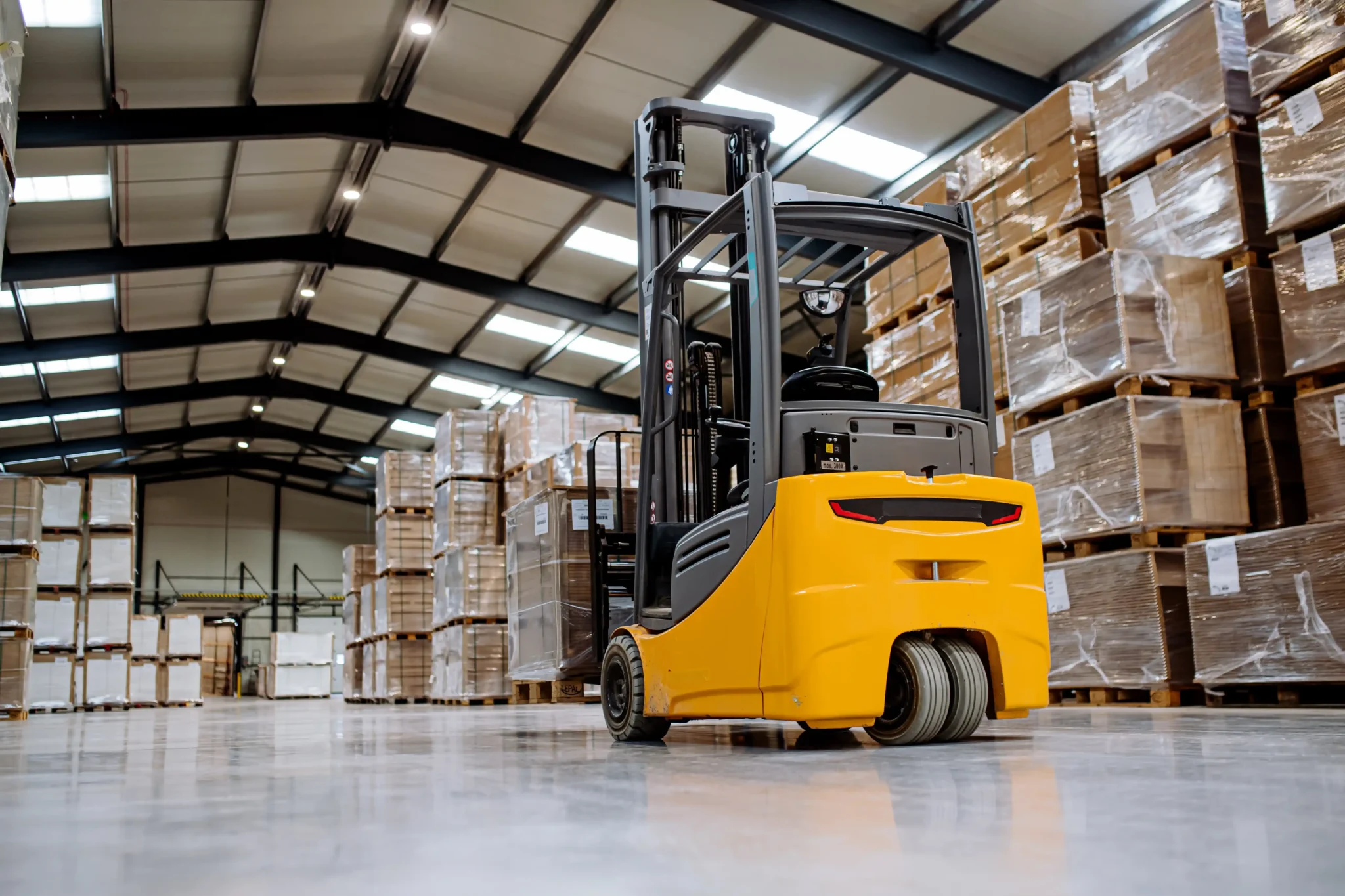
A counterbalance forklift is the most common forklift configuration found in warehouses, loading docks, and industrial yards. Its design affects maneuverability, capacity, and suitability for certain industrial applications. This makes it a versatile option for applications with heavier loads, as it doesn’t require an additional support structure in front of the machine. This guide explains […]
June 17, 2026
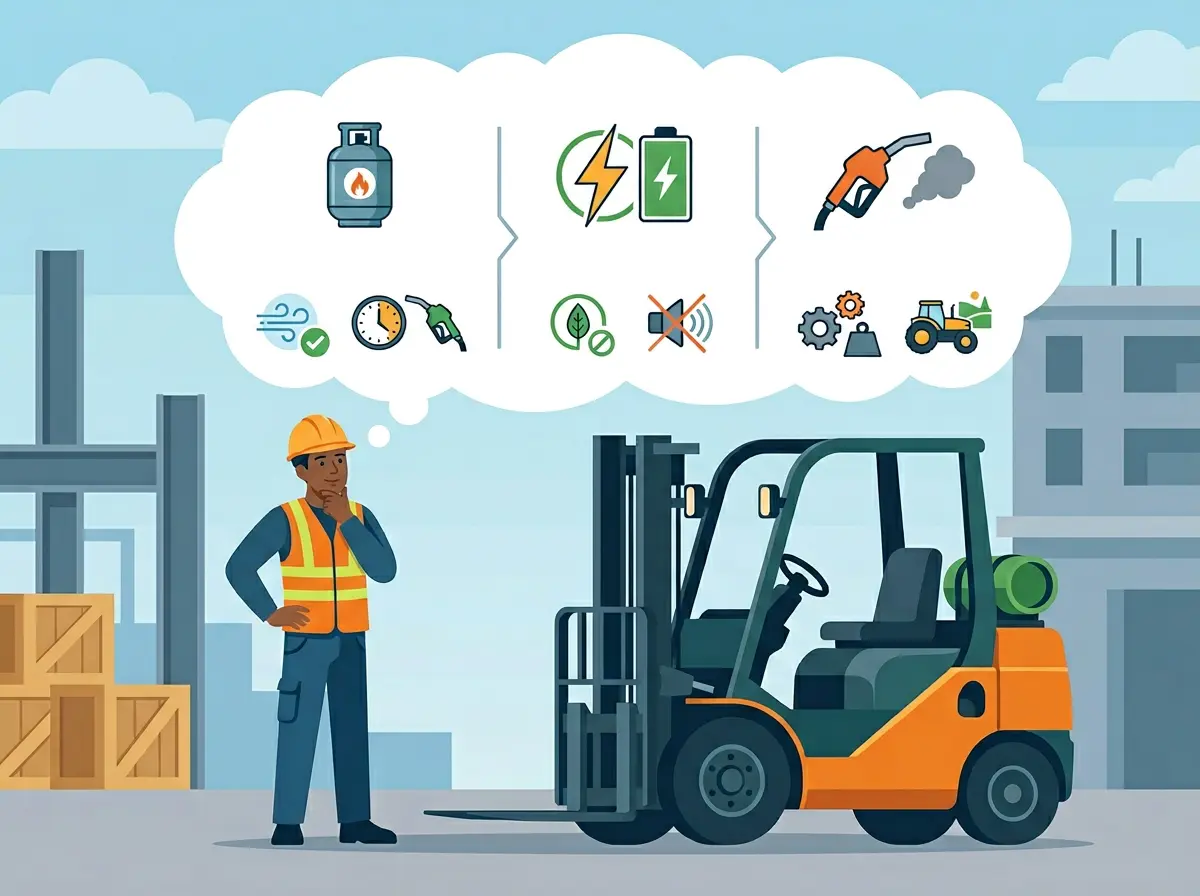
Choosing a forklift fuel type affects more than equipment specs. The choice among “Electric vs. Propane vs. Diesel” influences where the forklift can operate, how it performs in your working conditions, and what your facility will spend over time. Whether you’re running a high-throughput warehouse or a demanding outdoor yard, the right choice depends on […]
June 17, 2026
When you have a job that needs lifting, the right machine might not always be clear. A telehandler and a forklift can look functionally similar, as they both move heavy materials with forks. However, how each machine lifts, moves, and handles different jobsite conditions can lead you to very different rental decisions. If you already […]
June 17, 2026
Safety has always been critical in construction, but how teams manage it is changing. The days of paper checklists and manual reporting are being replaced by digital tools that make safety more visible, more consistent, and easier to manage across the jobsite. With multiple crews, shifting conditions, and tight timelines, today’s teams need systems that […]
May 6, 2026

Every jobsite is different, but one thing remains the same: safety is essential to every project’s success. During Construction Safety Week, the industry comes together to reinforce a shared commitment to safer jobsites. This year’s theme, “All in Together: Recognize, Respond, Respect,” highlights the actions that make safety part of everyday work. Here’s why it […]
May 5, 2026

Vendor relationships often start as transactional. A project needs equipment or materials, a supplier fulfills the request, and the process repeats. But as operations grow, that approach becomes harder to manage. More projects mean more vendors, more coordination, and more variability across teams. Without strong partnerships in place, those variables can quickly impact cost, timelines, […]
April 29, 2026

Procurement inefficiencies don’t usually come from one major issue. They build over time through disconnected systems, manual processes, and limited visibility across teams. As operations grow, those small gaps become harder to manage and more expensive to maintain. That’s why many organizations are rethinking how procurement is structured. Research reveals digital transformation enables typical procurement organizations to reduce process costs by 30%, […]
April 1, 2026

Equipment rentals are often treated as a straightforward line item. But across large construction projects, rental costs can quietly increase through small inefficiencies that go unnoticed. For procurement teams and leaders in the construction industry, controlling equipment spend requires more than negotiating rates. It requires identifying the hidden costs that accumulate across vendors and jobsites. The stakes are significant. […]
April 1, 2026
